There’s something magical about a summer meal eaten outdoors, especially when your plate is scattered with petals you picked just hours before. Flowers aren’t just for vases; they’re taking centre stage in the kitchen, too! Once limited to garnishes or garden borders, edible blooms are making their way into salads, cocktails and main courses alike, not just for their looks, but for their flavour, fragrance and surprising health benefits. From backyard weeds to backyard-worthy feasts, edible flowers offer a stunning and sustainable way to celebrate the season. With just a bit of floricultural flair, your next supper can be as nourishing as it is Instagrammable.
Having caught floral fever from the visual delights of Chelsea Flower Show, here are 10 surprising edible flowers that bring both beauty and taste to your summer table, plus tips on how to eat them and where to find them.
Dandelion
Flavour: Earthy, slightly bitter, with hints of honey
Eat it in: Salads, fritters, herbal teas, or sautéed greens
Find it: Wild (easily foraged in spring/summer); also available dried in health stores
Often dismissed as a weed, the dandelion is a wildflower with culinary potential from root to petal. The bright yellow heads can be dipped in batter and fried into fritters, while the petals add a sunny touch to salads. Young leaves are best for cooking, sauté them like spinach. Always forage from pesticide-free areas.
Lilac
Flavour: Floral, citrusy, slightly bitter
Eat it in: Syrups, infused sugars, baked goods, or ice cubes
Find it: Wild in spring (check urban gardens or old fences); rarely found in stores
Delicate and perfumed, lilac flowers can be used to infuse syrups for cocktails or lemonades. They pair wonderfully with honey and lemon flavors. Just avoid the stems and use only the florets, as the green parts can be bitter.
Hibiscus
Flavour: Tart, cranberry-like
Eat it in: Teas, jams, salads, or pickled
Find it: Dried in international or health food stores
Though tropical at heart, dried hibiscus petals (often labelled roselle or sorrel) can be found in herbal teas or spice sections. Steep them for a tangy tea, or simmer into a syrup for cocktails and desserts.
Rose
Flavour: Sweet, perfumed, fruity (varies by type)
Eat it in: Rosewater, jams, ice cream, or salad garnishes
Find it: Speciality markets, farmers’ markets, or home gardens
Romantic and iconic, roses are edible, but only if untreated. Use petals in desserts or salads, or distil them into rosewater. Choose fragrant varieties for the best flavour.
Chive Blossoms
Flavour: Mild onion, slightly garlicky
Eat it in: Compound butters, dressings, or sprinkled on soups
Find it: Home gardens, farmers’ markets in spring
These purple pom-poms aren’t just cute, they’re functional. Chive blossoms offer a punchy kick that livens up butter, soft cheeses, or vinaigrettes. Simply snip and sprinkle.
Sunflower Petals
Flavour: Mildly nutty or bitter, depending on the age
Eat it in: Salads, stir-fries, or pesto
Find it: Home gardens, some farmers’ markets
Yes, you can eat more than just the seeds! Sunflower petals (from young blooms) add a bright, slightly bitter edge to dishes. You can also pickle the buds for a faux artichoke experience.
Bee Balm (Monarda)
Flavour: Minty, citrusy, oregano-like
Eat it in: Herbal teas, infused vinegars, or meat marinades
Find it: Forage or grow (native to North America)
Also known as wild bergamot, bee balm is a pollinator favourite and a powerhouse in herbal teas. Use it fresh or dried in summer herbal blends or to flavour meats and oils.
Nasturtium
Flavour: Peppery, like arugula or radish
Eat it in: Salads, tacos, or as a garnish
Find it: Easy to grow at home or found in gourmet grocers
Bright, bold, and zesty, nasturtiums bring both colour and a surprising punch to dishes. Both leaves and flowers are edible and make for standout salad ingredients or wraps.
Borage
Flavour: Cucumber-like, fresh
Eat it in: Cocktails, cucumber salads, or frozen into ice cubes
Find it: Grow your own or check farmers’ markets
These star-shaped blue flowers are as useful as they are beautiful. With a cooling cucumber flavour, borage is perfect for summer gin cocktails or garnishing cold soups like gazpacho.
Lavender
Flavour: Sweet, herbal, slightly soapy if overused
Eat it in: Syrups, shortbread, lemonade, or roasted meats
Find it: Dried in spice aisles, or fresh at farmers’ markets
Used with a light hand, lavender brings sophistication to sweet and savoury dishes. Combine with lemon in baked goods, or add a floral twist to roasted lamb or poultry.
Tips for Safely Enjoying Edible Flowers:
- Avoid pesticides: Only eat flowers you know haven’t been sprayed.
- Know your source: Not all flowers are edible, and some are toxic. Stick to reputable guides.
- Start small: Flowers are potent in both flavour and pollen content. Test tolerance before using generously.
- Forage wisely: Always forage with a proper identification guide or a local expert.


Raw Fig, Cherry, Lavender Cake
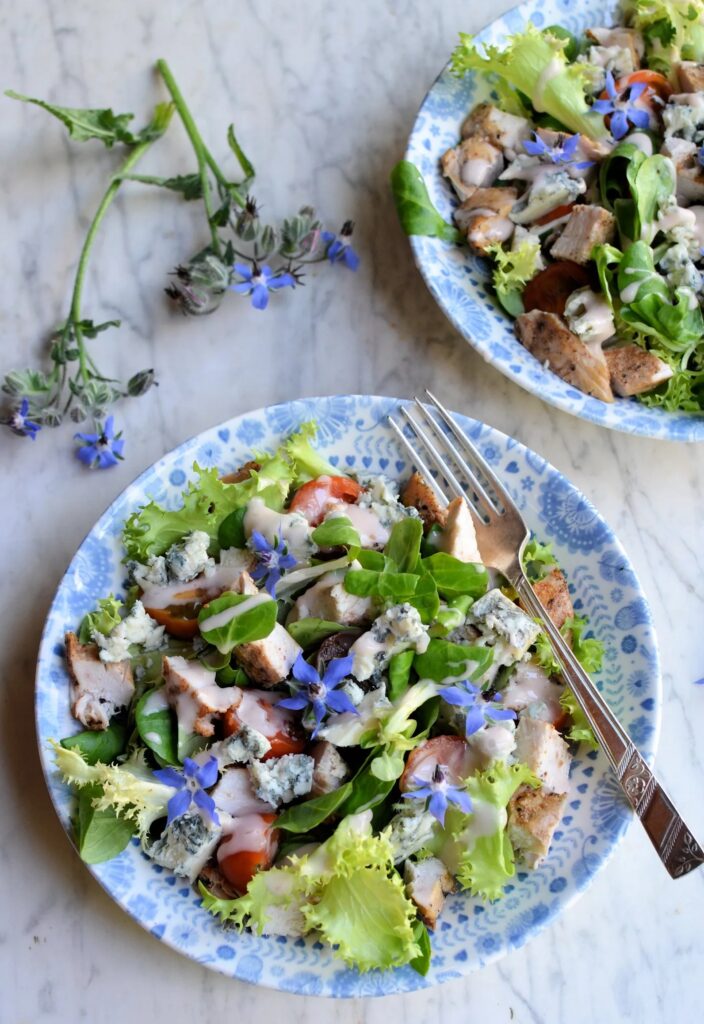
Blue Cheese, Borage & Grilled Chicken Salad

Ricotta & Basil Stuffed Nasturtiums
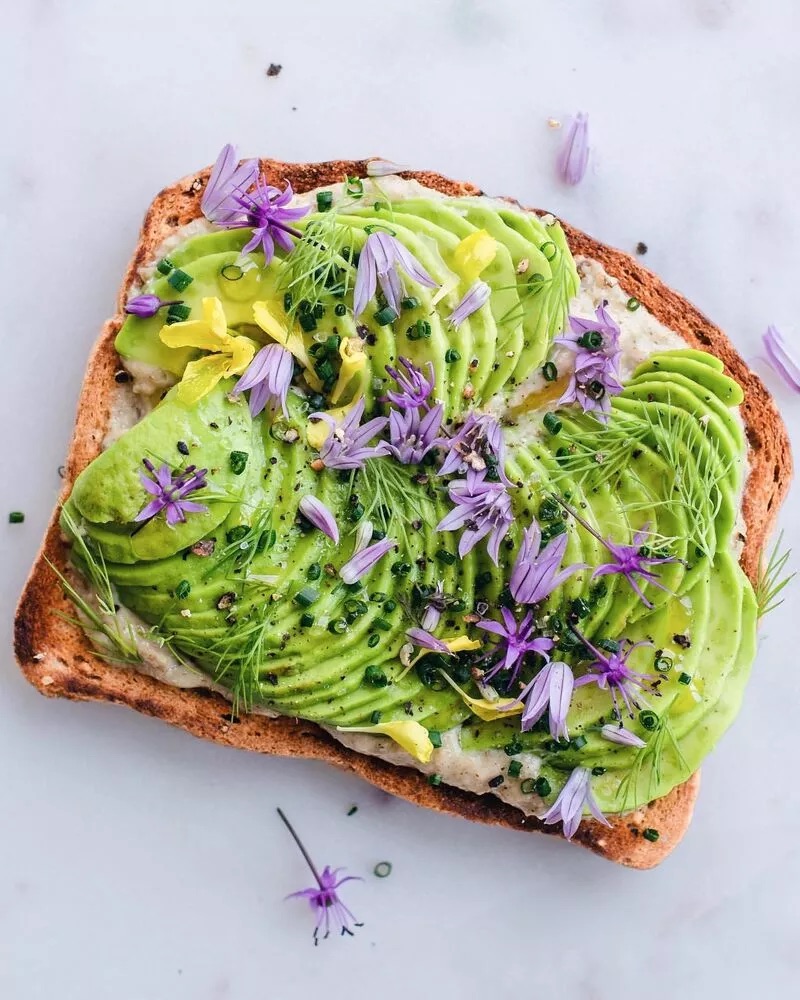

Herb & Edible Flower Salad with Hibiscus Champagne Vinaigrette
SHARE THIS STORY