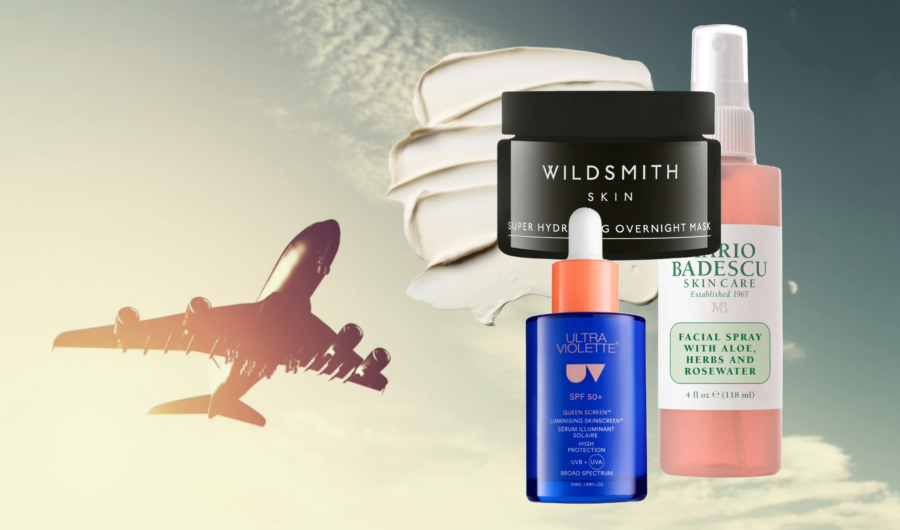
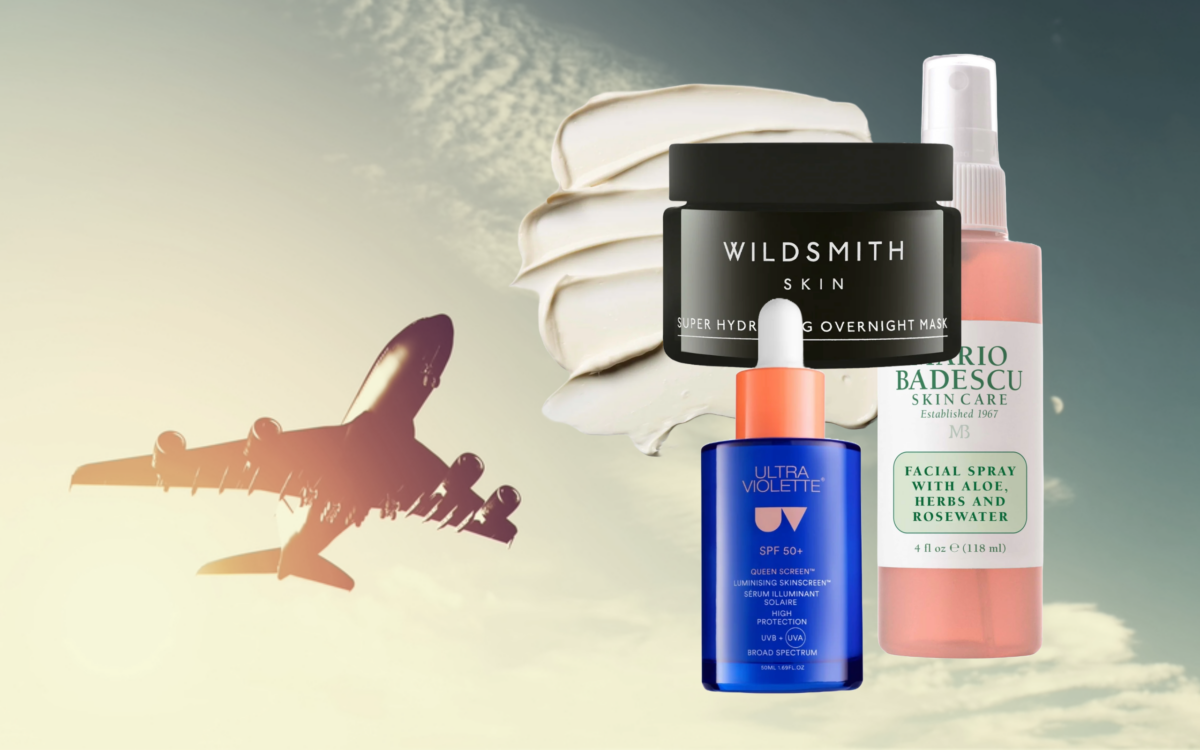
We speak to Max Gowland, Biochemist and founder of the 50+ supplement, to find out how air travel might be affecting our skin and hair more than we think…
Air travel is a modern necessity, but few realise how harsh it can be on skin and hair. Whether you’re a frequent flyer or an occasional holidaymaker, a single long-haul flight can leave your complexion dull, dehydrated, and inflamed, and your hair brittle, dry, and unmanageable and these effects only worsen with age. Dr Max Gowland explains the way in which travel damages our skin, hair and nutrition and how to start preventing further damage.
Skin Under Pressure
Aircraft cabins typically maintain a relative humidity of just 10–20%, far lower than the 40–60% your skin thrives in. In these dry conditions, your skin loses moisture rapidly through transepidermal water loss (TEWL), leading to tightness, flaking, increased sensitivity, and more visible lines and wrinkles. Poor hydration also weakens the skin barrier, making it more vulnerable to irritation and inflammation. Reduced oxygen levels and altered cabin pressure can further impair circulation to the skin, diminishing its natural glow and promoting a slight puffiness. Add disrupted sleep during the flight or even just before it together with changes in diet, and you have a perfect storm for skin stress.
Hair Suffers Too
Hair, like skin, is also exposed to the dry cabin air. The lack of humidity draws moisture out of the hair shaft, making it appear frizzy, limp, and prone to breakage. Natural oils that protect and nourish the scalp and hair are stripped away, especially when combined with static from fabric headrests or the dehydrating effects of in-flight air conditioning.
Frequent flyers may also notice a dry or itchy scalp, increased hair shedding, and lacklustre strands. For those already prone to thinning or hair damage, flying can accelerate the visible signs of hair ageing.
UV and Oxidative Stress
Flying at high altitudes increases your exposure to cell-damaging ultraviolet (UV) radiation, especially UVA rays, which penetrate aircraft windows and damage deeper layers of the skin. This accelerates collagen breakdown, contributing to premature ageing of the skin. UV exposure also promotes the production of free radicals, unstable, harmful molecules that damage both skin and hair at the cellular level.
Oxidative stress is compounded by processed in-flight meals, alcohol, poor sleep, and the body’s compromised ability to detoxify during travel.
Why Nutrition and Supplementation Are Also Important
Even the best topical skincare cannot fully protect against the environmental insults of flying without robust nutritional support from within. Skin and hair health are both highly sensitive to our nutrient status. Deficiencies in key micronutrients, such as vitamins A, C, E, biotin, zinc, selenium, iodine and omega-3 and 6 fatty acids, are known to manifest as dry skin, dull hair, breakage, flaking, premature greying, and slow regeneration.
Modern diets, particularly during travel, often fall short in delivering these nutrients in adequate amounts. For this reason, regular supplementation can be a powerful tool in maintaining the integrity of both skin and hair. High-quality supplements that support collagen production, antioxidant defences, hydration control, and keratin formation can provide internal resilience against the effects of flying and environmental stress. I would suggest using skin, hair and nails in order to nourish and protect areas affected during long-haul flights.
Protective Strategies That Actually Work:
Hydrate from the inside and out: Drink water regularly, avoid caffeine and alcohol, and apply a hyaluronic acid serum and barrier-strengthening moisturiser before and during the flight.
Shield with SPF: Always apply a broad-spectrum sunscreen before boarding, especially if you’re seated by the window.
Protect your hair: Use a leave-in conditioner or hair oil pre-flight, and avoid excessive brushing. A silk scarf or head wrap can help retain moisture and reduce friction.
Supplement smartly: Support skin and hair from within with a daily multinutrient that includes biotin, zinc, selenium, iodine, vitamin C, vitamin A, vitamin E and marine collagen or keratin peptides, ideally taken consistently, not just before travel.
Restore post-flight: Use gentle exfoliation, a nourishing face mask, and deep conditioning hair treatments after long flights to reset and recover. Overall, flying may be unavoidable, but its damaging effects on your skin and hair don’t have to be. By understanding the science behind in-flight stress and supporting your body with topical care, hydration, and consistent nutritional supplementation, you can arrive looking and feeling refreshed and resilient.

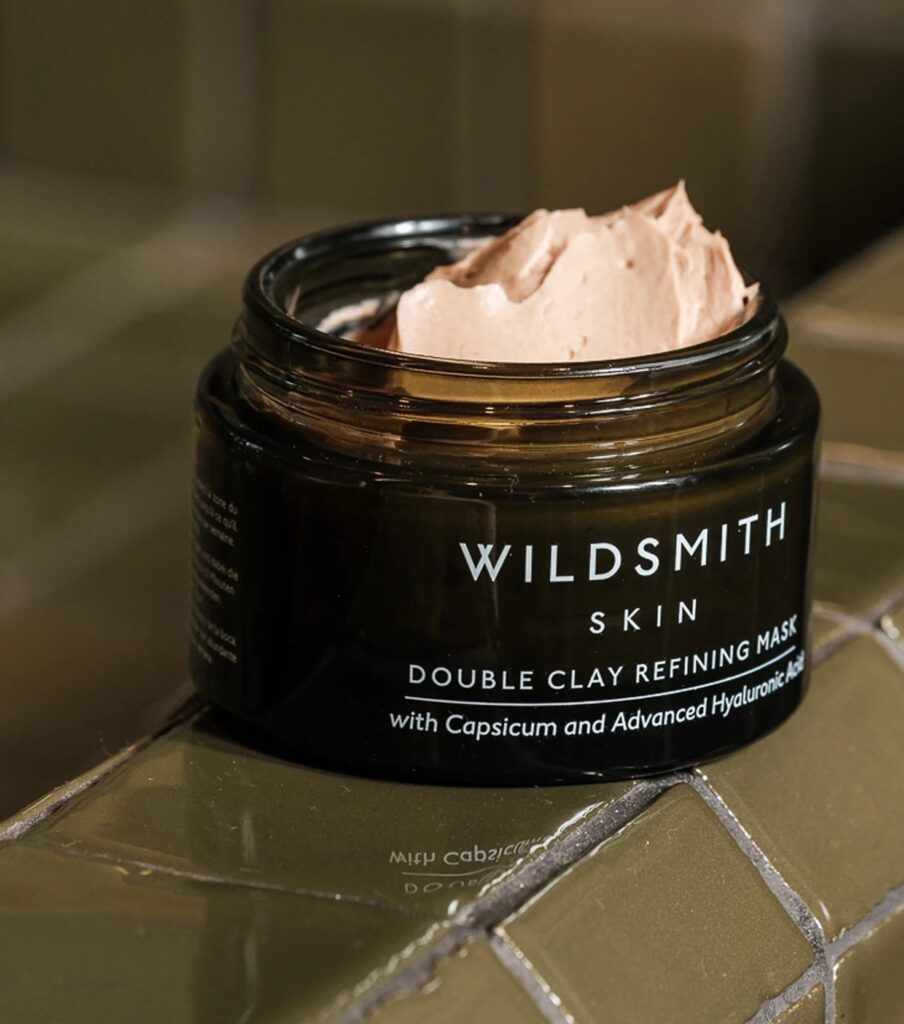
Wildsmith Skin’s Super Hydrating Overnight Mask
With summer getaways around the corner, Wildsmith Skin’s Overnight Mask is perfect for battling travel-weary skin. Whether you’re battling cabin air, jet lag, or the drying effects of a change in climate, this luxurious overnight treatment works while you rest, delivering intense hydration, strengthening the skin barrier and restoring radiance so you can land glowing.
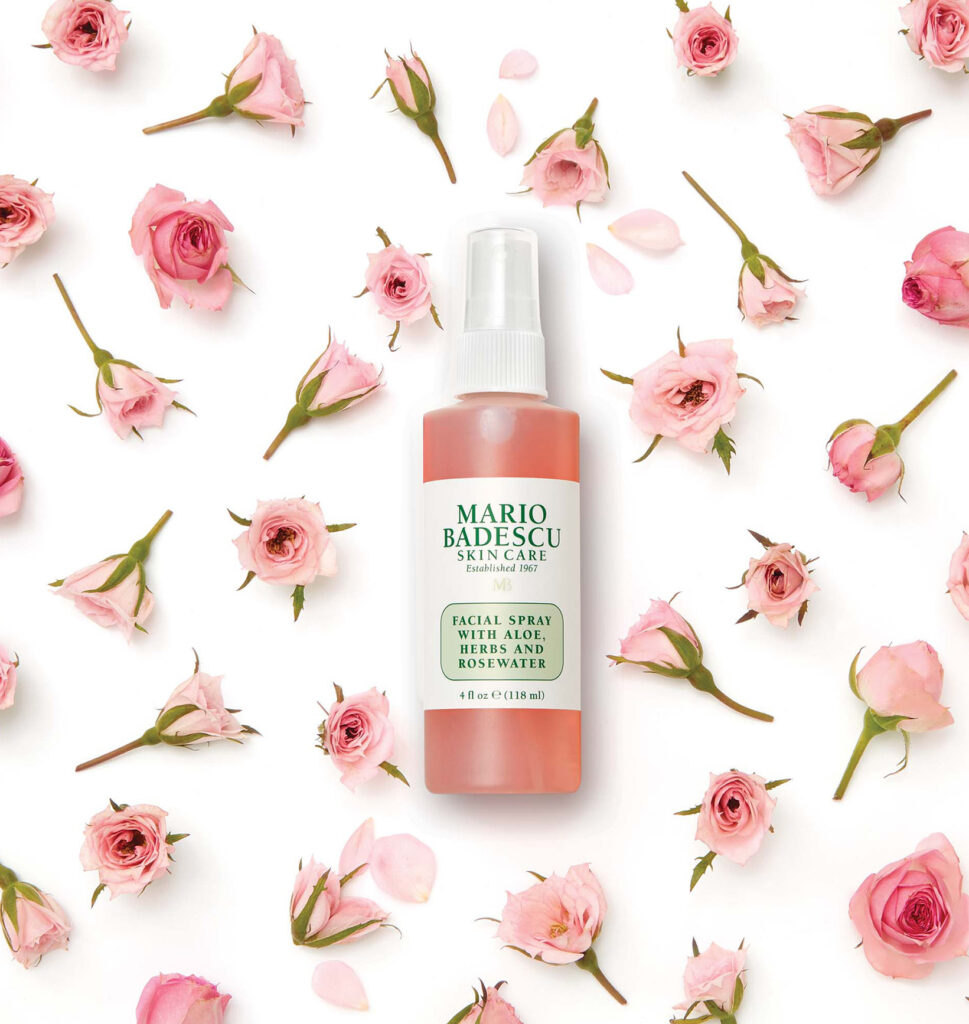
Mario Badescu, Facial Spray With Aloe, Herbs And Rosewater
Revive dehydrated skin at any time and any place using Mario Badescu Facial Spray with Aloe, Herbs and Rosewater. This cult favourite facial mist includes herbal and botanical extracts.

Ultra Violette, Queen Screen SPF 50+ Luminising Serum SKINSCREEN
Crafted with next-gen UV filters, this sunscreen serum is also infused with vitamins B, C, E and F, to soothe, hydrate and brighten the complexion. Pentavitin adds a dose of hydration to this sun and travel product that lasts for up to 72 hours while supporting the skin’s natural barrier.
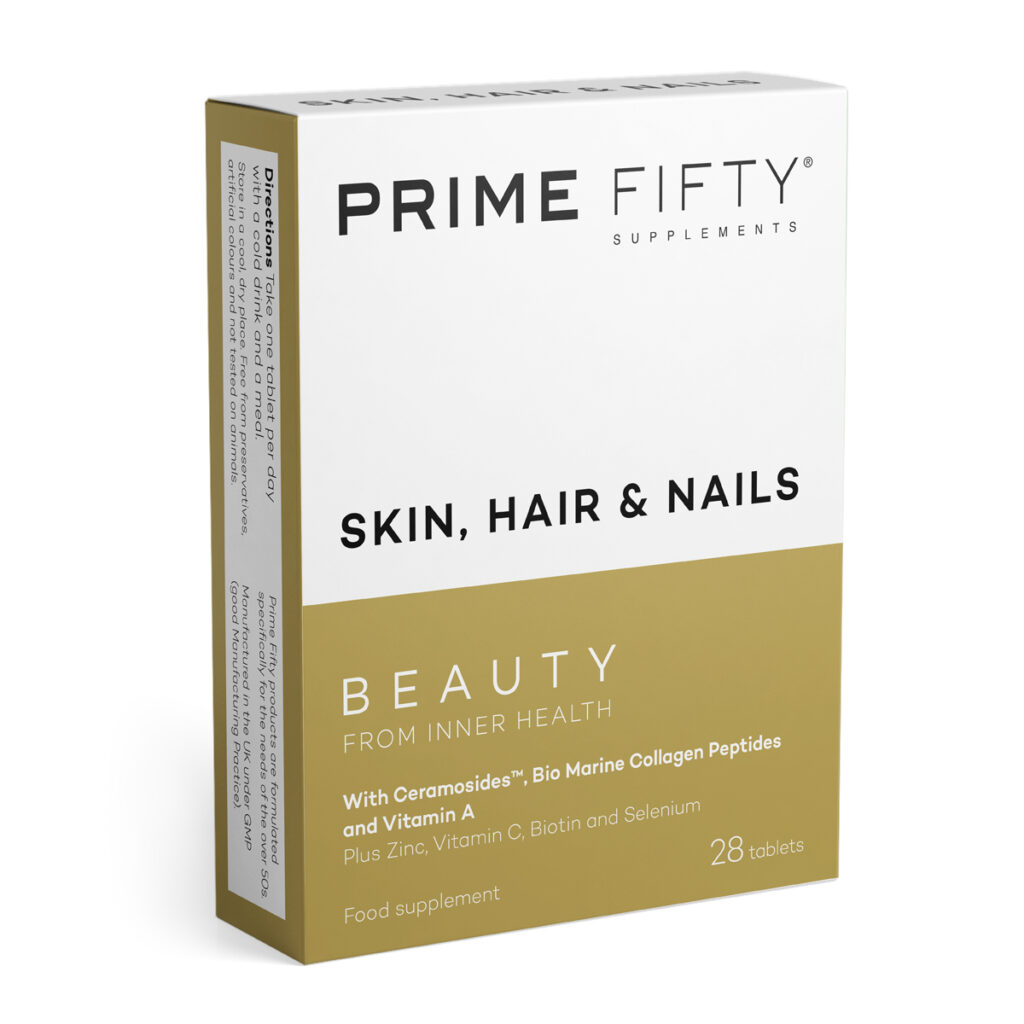
Prime Fifty: Skin, Hair and Nails
This supplement is giving high absorption, anti-ageing beauty vitamins for skin, hair and nails. Infused with Ceramosides™ and hydrolysed marine collagen – a hero ingredient shown to improve skin and hair appearance.
SHARE THIS STORY