What if one mineral held the power to transform your sleep, steady your nerves and accelerate recovery? For many, magnesium delivers exactly that. Involved in more than 300 processes in the body, from hormone balance to energy production and nervous system support, it’s a nutrient we can’t function without. Yet according to the World Health Organization, as many as 80% of us are falling short.
For years, I wore the badge of being a “good sleeper,” rarely clocking less than nine hours. But this year, my once-reliable rhythm unravelled. Nights became restless, mornings sluggish and energy elusive, until a nutritionist suggested magnesium. Within days, the shift was noticeable. Sleep felt deeper, muscle tension melted away and I began waking feeling genuinely restored.
Could a deficiency have been behind my fatigue all along? And is topping up with magnesium really as simple as it seems? I spoke to two nutritionists to separate science from wishful thinking.
What is magnesium and what role does it play within the body?
Magnesium is often described as a “magic mineral”, and with good reason. Involved in more than 300 biochemical reactions in the body, it underpins everything from energy production and blood sugar balance to muscle function, nervous system regulation and hormone health. “It really is one of those minerals that touches almost every area of our wellbeing,” says nutritionist Maz Packham. “For women especially, it plays a key role in easing menstrual cramps, supporting mood and promoting more restful sleep,” adds Jess Shand, naturopathic nutritionist and author of The Hormone Balance Handbook.
Why do some people notice benefits almost immediately?
When I first started supplementing with The Nue Co Magnesium Gut Barrier+, a powder combining three forms (bisglycinate, citrate and taurinate), the shift felt almost instant. Stirred into water and taken half an hour before bed, it became a simple nightly ritual. Within days my sleep deepened, my body relaxed and I woke feeling noticeably calmer.
“That’s not unusual,” explains Jess. “If you’ve been running on empty, the body tends to soak magnesium up and respond quickly. It’s like giving it exactly what it was asking for.” Maz agrees but points out that results vary. “If someone is already deficient, they might feel the difference within hours, while for others it can take more time. The form and dose make a big difference too.”
How does magnesium support sleep and relaxation?
Dubbed “nature’s tranquilliser,” magnesium works on several fronts. By activating the parasympathetic nervous system (aka the body’s ‘rest and digest’ mode), it helps switch us into a calmer state. It also supports the neurotransmitter GABA, known for its anti-anxiety effects, while reducing cortisol and relaxing muscles, all of which can interfere with restorative sleep.
“This is why supplementation is often linked to fewer night-time wakeups and deeper, more consistent rest,” says Maz. Jess adds that women often find it particularly effective in the luteal phase before their period, during perimenopause or in times of heightened stress. For me, the most striking shift was that I wasn’t just falling asleep faster, I was staying asleep, something I hadn’t managed through sleep hygiene hacks alone.
Which types of magnesium are best for sleep, digestion or brain health?
Not all forms of magnesium are created equal, and the type you choose makes a real difference. Both experts highlight magnesium bisglycinate as the best option for sleep, anxiety and hormonal balance thanks to its gentle, gut-friendly profile. For digestion, magnesium citrate can be helpful for easing constipation, though it does carry a mild laxative effect.
When it comes to cognitive function and mood, magnesium threonate stands out for its ability to cross the blood–brain barrier, while magnesium malate is often used to support energy production and ease muscle fatigue. “For broader benefits, blends can be a smart choice,” says Maz, pointing to formulations that combine glycinate, threonate and marine magnesium for optimal absorption.
Can you get enough from food, or do most of us need a supplement?
Magnesium-rich foods include leafy greens, nuts, seeds, avocado and dark chocolate, but modern living often makes it hard to reach optimal levels through diet alone. “Soil depletion, intensive farming, caffeine, alcohol, stress and even medications can all reduce our stores,” notes Jess. While a food-first approach is always best, both experts agree supplementation can bridge the gap. “For many people, a high-quality supplement is what makes the real difference,” says Maz.
Is magnesium suitable for everyone?
With magnesium supplements trending on social media, there’s been chatter about whether they’re right for all. Some TikTok videos warn against taking magnesium if you struggle with gut issues, and there’s truth to the nuance.
“Magnesium citrate, for instance, is bound to citric acid, which draws water into the bowel and stimulates a movement,” explains Maz. “That’s beneficial if constipation is the problem, but for someone without it, it may irritate the gut and cause loose stools.” She adds that magnesium oxide can have similar drawbacks, being poorly absorbed and often leading to cramping or bloating.
That doesn’t mean magnesium should be avoided altogether, but rather that the form matters. “Magnesium bisglycinate is generally the best tolerated,” Maz says. “It’s gentle, well absorbed and far less likely to cause digestive upset. This is where expert advice really pays off – choosing the right form for your specific health goals is key.”
What are the signs you might be low in magnesium?
Because magnesium is involved in so many functions, the symptoms of deficiency can be varied and easy to overlook. Fatigue, brain fog and restless sleep are common early signs, while anxiety, low mood and frequent headaches can also signal low levels. Both experts note that muscle cramps, twitching or restless legs, constipation, and worsening PMS symptoms are also worth paying attention to. Looking back, I realised I was ticking more of these boxes than I’d admitted – restless nights, post-exercise aches, even that underlying feeling of being “wired but tired.”
What about topical magnesium?
“An Epsom salt bath is a blissful wind-down ritual that helps relax tense muscles,” says Jess. Sprays and oils can also provide targeted relief to achy areas, making them a supportive addition to an evening routine. “For systemic benefits, oral supplements are more reliable,” adds Maz, “but for relaxation and ritual, topical forms can definitely add value.”
If you’re new to magnesium, where should you start?
According to both experts, it’s best to keep it simple. “Magnesium bisglycinate, taken in the evening, is calming, gentle and well absorbed,” says Jess. Maz recommends the same, adding that timing can help maximise benefits: “Thirty minutes before bed is ideal if sleep is your main concern. Always check the label for dosage, but for most women, around 200–375mg is a sensible starting point.”
Above all, consistency matters. As Jess puts it, “your body will tell you what it’s responding well to. Listen to those cues, choose quality over fillers, and give it time.” A month in, I can say magnesium has earned its place in my nightly routine. It hasn’t solved everything (late nights still catch up with me), but it’s given me a steadiness I’d been missing. For me, it’s less about a quick fix and more about finally giving my body what it needed.
My five favourite magnesium products:

The Nue Co. Magnesium Gut Barrier+, £38

BetterYou Magnesium Sleep Bath Flakes, £10.95
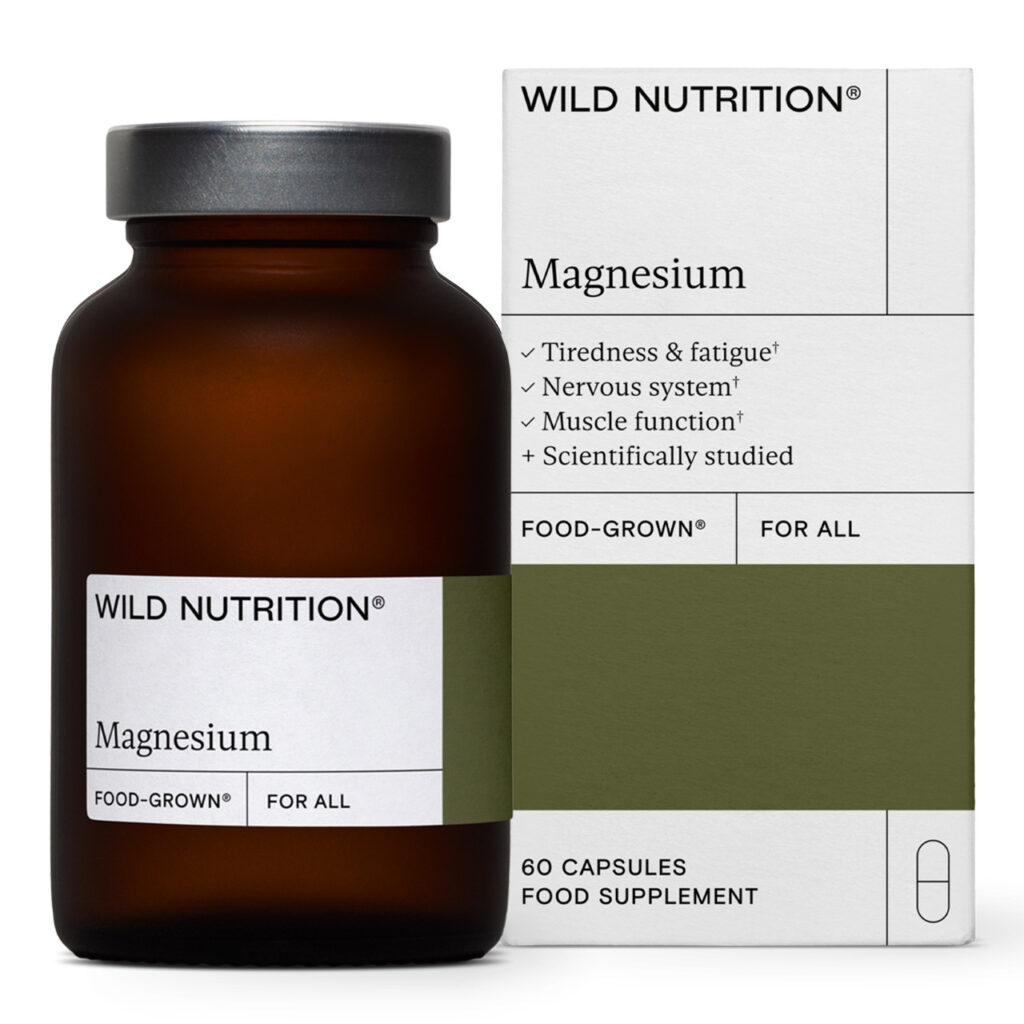
Wild Nutrition Food-Grown Magnesium, £20.50

KIKI Health Magnesium Oil, £12.50

SHARE THIS STORY