When I was first diagnosed with polycystic ovary syndrome (PCOS), I wasn’t a practitioner. I was a girl in my early twenties in pain. Frustrated, confused, and trying to make sense of a body that no longer felt like mine. My journey into the world of functional medicine began only after a benign growth was removed from my ovary. That surgery was both terrifying and transformative. It forced me to finally confront what my body had been trying to tell me for years.
For much of my adult life, I’d been on hormonal contraception. Like so many women, I’d been prescribed the pill to “regulate” my cycle and “clear my skin”. In reality, it was masking the root cause of my health issues. The acne, bloating, anxiety, fatigue, and irregular periods I’d simply learned to live with. When I came off the pill, everything came rushing back. My period disappeared for three years, my skin broke out in painful cystic acne, and I was exhausted beyond measure. My gynaecologist told me I’d probably never have a regular cycle again and to quote “come back when you want a family”. I left that appointment heartbroken, but also determined to prove otherwise.
That was the beginning of my healing journey. I started working with a functional medicine practitioner who looked at me as a whole person, not a set of disconnected symptoms. We explored my nutrition, gut health, liver function, hormones, and emotional wellbeing. For the first time, I understood that PCOS wasn’t a random curse, it was my body signalling that something needed attention. I’d always been hyperaware of my family history of hormonal issues, and now, looking back, I realise that genetics may load the gun, but lifestyle pulls the trigger.
Where Did I Start?
Through working with a practitioner, one of the first places we looked was my gut. I ran a microbiome test and discovered that I had significant bacterial overgrowth, inflammation, and poor diversity, all of which were compromising my ability to digest and absorb nutrients. This made complete sense: I’d been in pain after eating for as long as I could remember. The gut is intricately linked to our hormones through the gut-liver axis. Certain bacteria, collectively known as the estrobolome, help metabolise oestrogen. When these microbes are imbalanced, excess oestrogen can recirculate through the body, causing further disruption.
Under my practitioners guidance to correct this, I followed a carefully structured gut protocol with my nutritionist and naturopath. We first addressed the overgrowth using targeted herbal antimicrobials, then supported my gut lining with nutrients like zinc and glutamine before reintroducing beneficial bacteria through probiotics and prebiotics. I also focused on fibre, hydration, and gentle movement to stimulate my lymphatic system. Slowly, my bloating eased, the pain subsided, and I could finally eat without discomfort. What surprised me most was how much this impacted everything else, my energy, my skin, even my mood. The gut truly is at the root of it all.
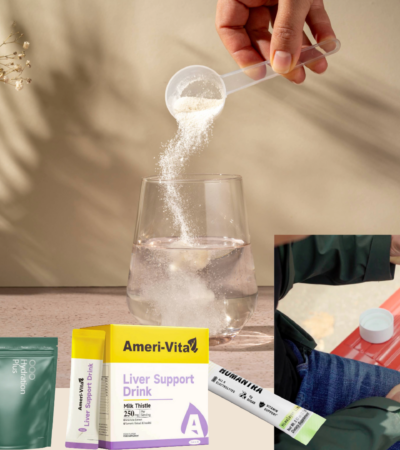
Supporting my liver was another essential piece of the puzzle. The liver is our body’s main detoxification organ and plays a central role in hormone metabolism – especially in clearing excess oestrogen. When it’s sluggish or overburdened, those hormones can recirculate, contributing to symptoms like acne, water retention, and painful periods. I was unaware of the impact that antibiotic medications and hormonal contraceptives have on our liver, something that was supposed to support my body was perpetuating the problem. I began using herbs such as nettle, dandelion, and cleavers, alongside cruciferous vegetables like broccoli, kale, and rocket, which contain compounds that aid the breakdown of oestrogen through the liver’s detox pathways. I noticed real changes: the hormonal acne around my chin and jaw settled, my digestion improved further, and the heavy, painful cycles that had once left me bedridden became lighter and more manageable.
Test, Don’t Guess
A DUTCH test through Regenerus Labs gave me an even clearer picture of what was happening hormonally. The results showed that my oestrogen and progesterone were barely present, while my cortisol, my primary stress hormone, was completely dysregulated. Years of pushing myself, working long hours, overexercising, and under-resting had taken their toll. My body had been living in “fight or flight”, and ovulation simply wasn’t a priority in that state. This is something I often see clients struggle with now in clinical practice when they notice their hair, skin and nails weakening because they’re stressed. It’s not a coincidence, it’s your body prioritising what’s important.
It was a revelation. I’d been living and working as if I had a male body, following a 24-hour rhythm, training intensely every day, eating at irregular times, sleeping poorly, and wondering why I felt so depleted. The female body, however, follows a 28-day rhythm, with hormones ebbing and flowing throughout the month. Once I began to live in sync with that rhythm, everything started to shift. I adjusted my workouts, focusing on strength training and high intensity during the follicular phase when oestrogen is naturally higher, and switching to restorative yoga and walking during the luteal phase when energy dips. I honoured my body’s need for rest, sunlight, and regular meals to stabilise my circadian rhythm.
Alongside these lifestyle shifts, I turned to herbal medicine for hormonal support. I used Dong Quai to promote circulation and balance oestrogen, Agnus Castus (Vitex) to gently stimulate progesterone production, and Saw Palmetto to help lower testosterone levels, a common issue in PCOS. These herbs work synergistically with the body, encouraging equilibrium rather than forcing a hormonal outcome. I was amazed at how much they helped when used consistently and mindfully, guided by lab data and professional advice. To this day, I have my herbalist on hand for when things do become slightly challenging, because they do from time to time.
The Emotional Link
Healing, however, wasn’t just biochemical. It was emotional, too. I began to realise how much tension I was holding in my body, particularly in my lower abdomen and pelvis, the very space that had felt “blocked” for years. My first real breakthrough came at a Grey Wolfe event, where I experienced a “male energy release” practice. It was deeply cathartic, allowing me to release old emotional energy that I’d been carrying unconsciously. I also began acupuncture and Chinese medicine, which helped bring my body back into a more yin (feminine) state, soothing, receptive, and grounded, as opposed to the constant “yang” energy of doing and striving.
Interestingly, my blood tests reflected what I was feeling internally. My once-elevated testosterone levels began to fall, my skin improved even further, and I started to ovulate again. It reinforced what I now deeply believe: the body doesn’t heal in isolation. You can’t separate the physical from the emotional or the spiritual. Healing is holistic.
Even now, I often fall back into my masculine energy, the go-go-go mindset of being a founder, director, and constantly “on.” That’s when I have to intentionally return to feminine practices: acupuncture, bubble baths, walking in nature, and even indulgences like cacao and rose lattes – as woo-woo as that sounds. These small, intentional rituals help me reset, reconnect, and maintain balance in a life that often demands the opposite.
Is PCOS a Metabolic Issue?
A major breakthrough came when I addressed my blood sugar balance. PCOS is, at its core, a metabolic condition, closely linked to insulin resistance. When blood sugar spikes and crashes repeatedly, insulin levels rise, which can stimulate excess testosterone production and prevent ovulation. I began eating in a way that supported stable blood sugar: prioritising protein at every meal, pairing carbohydrates with fats and fibre, and avoiding long gaps between eating. I reduced caffeine and processed sugar, replacing them with balanced, nutrient-dense meals. Within weeks, I noticed huge changes. My energy became stable throughout the day, my cravings subsided, and my mood improved dramatically. My skin, which had been persistently inflamed, finally started to glow.
Stabilising my blood sugar didn’t just change how I felt day-to-day; it changed my hormones. Insulin and androgens (male hormones like testosterone) are closely linked, so when I calmed one, the other followed. It was science in action, but it also felt like self-respect, finally giving my body the steady nourishment it had been craving and deprived of for years.
The Result
Over time, all of these changes accumulated. The cystic acne that had covered my face began to heal. My energy returned. The bloating and pain after meals vanished. The depression and anxiety that had once felt overwhelming lifted, and I began to feel joy again. Three years after being told I might never have a regular cycle, my period returned consistent, and pain-free.
Looking back, I realise that my PCOS diagnosis wasn’t a punishment; it was a message. My body had been trying to get my attention, and when I finally stopped silencing it, with medication, with busyness, with self-criticism and started listening, it began to heal.
What I’ve learned, both through my own journey and now through supporting others as a Functional Medicine Nutritional Therapist, is that we are not powerless. PCOS doesn’t mean your body is broken. It means your body is communicating. When we start to understand its language through nutrition, lifestyle, emotional healing, and self-awareness, we allow the space and capacity for healing that is extraordinary.
If you’ve been told there’s nothing you can do, that your symptoms are something you have to “manage forever”, please know that isn’t the whole truth. I’ve lived it, I’ve studied it, and I’ve seen it time and time again. The body wants to heal. It just needs the right support, patience, and a willingness to meet it halfway.
Healing from PCOS isn’t about perfection. It’s about reconnection, to your body, your rhythm, and your power. And that’s something every single one of us is capable of.
SHARE THIS STORY