For decades, creatine sat firmly in the “bodybuilder supplement” box. Marketed towards men chasing bigger muscles, faster lifts, and gym-floor bragging rights. But scroll through TikTok or Instagram today and you’ll find a very different conversation unfolding. Wellness creators, nutrition experts, and midlife women themselves are talking about creatine – not for bulk, but for brain health, energy, mood, and healthy aging. Could this once-niche powder be the most exciting midlife supplement you’ve never tried?
“Creatine has long been marketed as a bodybuilder’s supplement, tied almost exclusively to muscle mass and strength,” says Rhian Stephenson, Registered Nutritionist and Founder of Artah. “Women’s wellness historically skewed toward weight loss and aesthetics rather than performance, energy metabolism, or cellular health. What’s changing now is twofold: first, a shift in women’s health towards strength, longevity, and cognitive resilience; second, a stronger body of research showing creatine’s role far beyond the gym, particularly in brain health, mood, energy, and healthy aging.”
Why it’s trending now
Social media has played a huge role in creatine’s renaissance. Once dismissed as “just for gym bros,” it’s now being rebranded as a smart longevity supplement. From micro-influencers posting their midlife “brain fog fixes” to doctors explaining creatine’s role in energy metabolism, the conversation has moved well beyond bench presses and protein shakes.
This trend dovetails with broader cultural shifts. Women in their 40s and 50s are rejecting outdated narratives around weight loss and fragility, embracing strength training, hormone health, and active longevity. The hashtag #creatineforwomen has racked up millions of views, not because women want bulk, but because they want to feel sharper, stronger, and more resilient through hormonal changes.
“Women are hungry for tools that help them feel better and not just look a certain way,” says Stephenson. “Creatine speaks to energy, cognition, and mood, things women notice changing during perimenopause and menopause and that’s why it’s gaining traction online.”
How creatine supports midlife health
Hormonal changes during perimenopause and menopause bring predictable but frustrating shifts: lower energy, cognitive dips, mood swings, declining muscle mass, and bone density loss. Estrogen, which protects both the brain and muscles, begins to fall. This is where creatine comes in.
“Creatine enhances cellular energy production by supporting ATP recycling, which is critical when hormonal changes leave women feeling drained,” Stephenson explains. “It may help preserve muscle, support bone health, regulate mood, and even buffer against cognitive decline. Poor sleep is common in perimenopause; whilst creatine won’t make you sleep better, it has been shown to combat the cognitive impact of sleep deprivation and improve mental clarity, working memory, and recall.”
Beyond muscles: The full spectrum of benefits
Creatine does far more than help power through a workout. Even women who don’t lift weights can benefit:
- Powering up your energy: Creatine helps your cells recharge their ‘batteries’ by boosting ATP, the body’s own energy currency, so you can stay steady and resilient through stress, busy schedules, and hormonal shifts.
Sharper, faster, clearer: Research shows creatine gives your brain an edge, supporting memory, focus, and mental stamina, especially when you’re running on less sleep than you’d prefer. - Balancing your mood: Early studies suggest creatine may play a role in supporting emotional wellbeing and smoothing hormone-related mood dips, from PMS to perimenopause.
- Strong from the inside out: By helping preserve lean muscle, creatine also gives bones the support they need, protecting strength and mobility as you move through midlife and beyond.
Common myths, debunked
Creatine’s old reputation still lingers, but science paints a clearer picture:
- “Will it make me bulky?”
“No,” says Stephenson. “Creatine helps you perform and recover better from training. If you’re training specifically for muscle growth, it’ll support your goals, but it won’t magically make muscles appear.” - “Does it cause bloating or puffiness?”
“Good-quality creatine in a standard maintenance dose is very well tolerated,” she explains. “Bloating is usually linked to low-grade products or high ‘loading’ doses. Creatine draws water into muscle cells, not under the skin, so any water retention is intracellular, great for recovery and performance.” - “Is it safe long term?”
Creatine monohydrate is one of the most studied supplements globally, with a strong safety record in healthy individuals.
How to start supplementing creatine
- Standard dose: Around 4g daily, no need for a “loading phase.”
- Special situations: During periods of extreme sleep deprivation, some research suggests a temporary higher dose (around 1g per 10kg of body weight) may improve alertness and cognition. “When I have a particularly bad night with my kids, I do this and really feel a difference,” Stephenson shares.
- Best form: Choose micronized, third-party tested creatine monohydrate for optimal absorption and purity.
Is Creatine apart of a longevity toolkit
Stephenson views creatine as part of a bigger picture. By supporting muscle, bone, brain, and energy metabolism, it addresses multiple pillars of midlife health. “I love pairing creatine with omega-3s for brain health, magnesium for exercise recovery, and NAD+ complexes for longevity,” she says.
Creatine may be trending on TikTok, but its rise isn’t just hype. The buzz reflects a deeper shift in how women approach wellness, less about restriction, more about resilience. With its wide-ranging benefits, affordability, and robust safety profile, creatine may be one of the simplest, most effective tools for women looking to thrive through their 40s, 50s, and beyond.
“Creatine empowers women to feel stronger, sharper, and more resilient,” Stephenson says. “It’s about supporting the way we live, think, and age, not just how we look.”
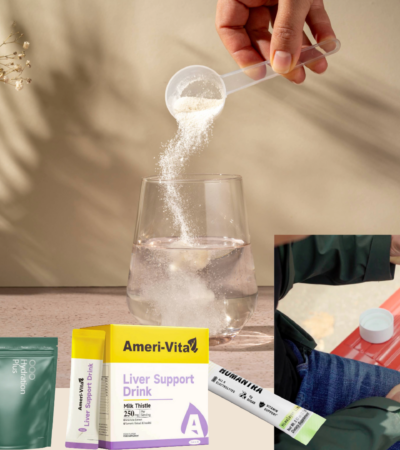
H&H’s Favourite Creatine Products (Nutritionist Approved)


SHARE THIS STORY