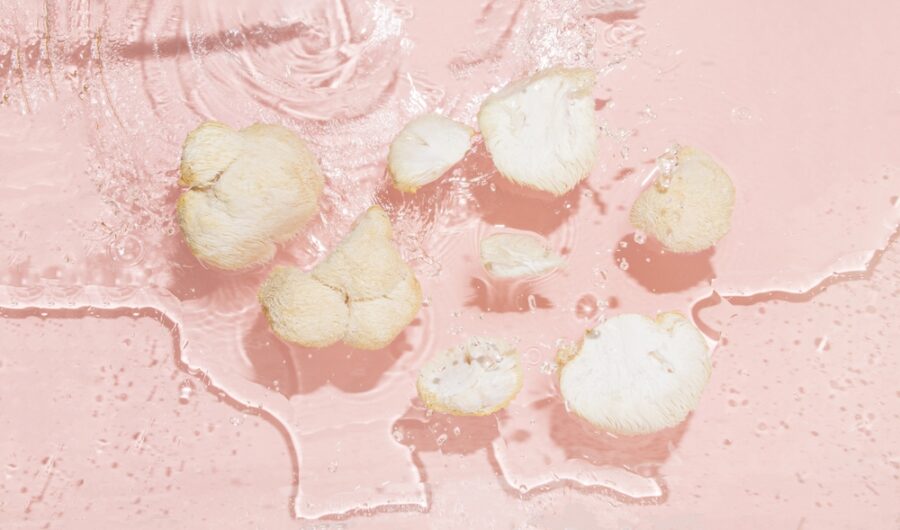
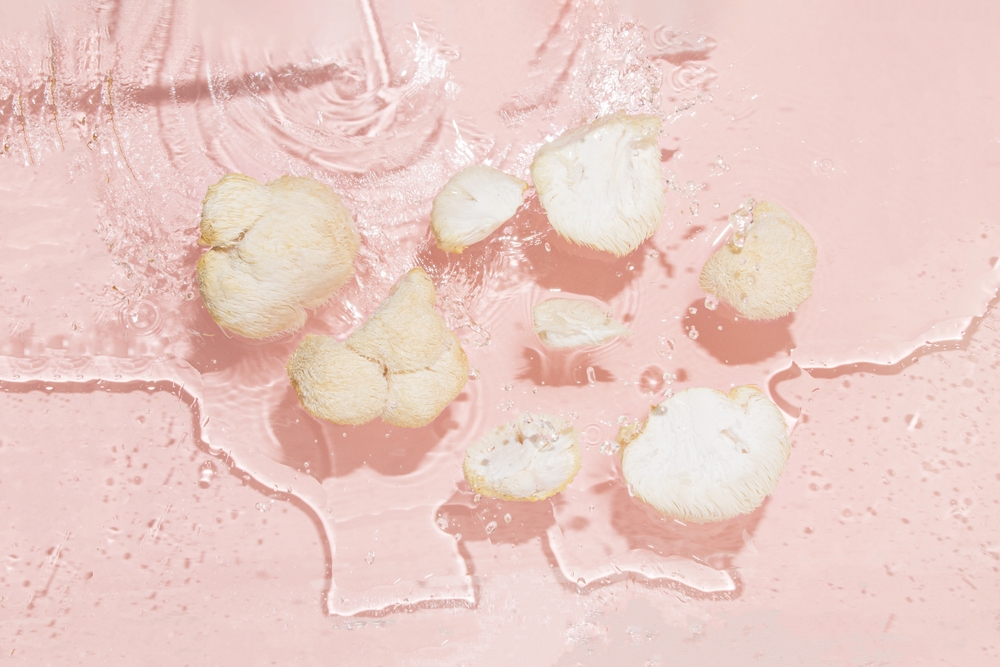
If you’ve been listening to health podcasts or scrolling through social media, you’ve likely heard someone talking about Lion’s Mane mushroom. Often described as the “smart mushroom,” it’s famed for its ability to support focus, emotional balance, and gut health. But beyond the social media hype, plenty of clinical evidence backs up the benefits. We spoke to medical herbalist and mushroom expert Sophie Barrett to unpack the science and discover why everyone is suddenly so obsessed with this shroom.
What is Lion’s Mane?
Lion’s Mane is a medicinal adaptogenic mushroom traditionally used in East Asian medicine. It is now recognised in Western medicine as a natural nootropic and adaptogen. It primarily supports cognitive performance, stress resilience, and neurological health. Over time, Lion’s Mane works with your body to protect and nourish the nervous system, which will help improve brain health and help you biohack your way to healthy ageing.
Mood, Stress and Emotional Balance
If you often feel overwhelmed, anxious, or emotionally drained, Lion’s Mane may help restore balance. As an adaptogen, it supports the body’s stress response and helps regulate the nervous system.
“Unlike stimulants or sedatives, adaptogens like Lion’s Mane help bring the body back into balance,” says Sophie. “You feel more mentally clear and emotionally grounded, without the highs and crashes.”
By supporting the HPA (hypothalamic-pituitary-adrenal) axis and encouraging the production of NGF and BDNF (brain-derived neurotrophic factor), Lion’s Mane may help reduce anxiety and low mood symptoms. Many people have reported better resilience, improved sleep, and a more balanced outlook after a few weeks of use.
Protect Your Brain From Age-Related Memory Loss
One of the most exciting research areas around the Lion’s Mane mushroom is its potential to protect the brain as we age. It contains unique bioactive compounds, hericenones and erinacines, which stimulate the production of Nerve Growth Factor. This protein plays a vital role in neurons’ growth, repair, and survival—the cells we rely on for memory, learning, and overall cognitive function.
As we age, neural connections gradually weaken. This is one factor linked to age-related cognitive decline and conditions such as Alzheimer’s. By boosting NGF, Lion’s Mane may help maintain healthy brain structure and function and even promote the regeneration of damaged neurons.
“Lion’s Mane is one of the most powerful neuro-regenerative mushrooms,” says Sophie Barrett. “It contains active compounds that stimulate the production of Nerve Growth Factor, essential for neuron repair and growth as we age.”
Focus, ADHD and Cognitive Clarity
Lion’s Mane is gaining attention for its ability to enhance focus and concentration, benefits that make it especially appealing for people with ADHD or those struggling with brain fog.
“Studies have established good evidence that this mushroom could be of benefit in symptoms relating to anxiety, depression, disturbed sleep and poor concentration,” Sophie explains. “All of these can be part of the ADHD picture and symptoms that many people can experience.
Lion’s Mane works on the gut-brain axis, helping regulate the gut microbiota and reduce inflammation; two factors now understood to influence cognitive function, attention and emotional regulation for children and adults looking to support focus naturally.
Support for Perimenopause and Menopause
Many women experience increased brain fog, memory lapses, low mood and sleep disturbances during perimenopause. These symptoms are often hormonally driven but can be supported by lifestyle, nutrition, and adaptogens.
“Lion’s Mane supports cognition and mental clarity while also regulating the gut-brain axis and nervous system,” Sophie notes. “This makes it particularly helpful for women in midlife who may feel like their mental sharpness and resilience are slipping.”
The mushroom’s gentle but powerful impact on mood, memory, and focus makes it a popular supplement during hormonal transition. It can be used alone or with other adaptogenic mushrooms, such as Reishi and Cordyceps, for a more comprehensive approach.
Gut Health and the Gut-Brain Axis
Digestive health and mental well-being are more closely linked than most people realise. The gut-brain axis describes the two-way communication between your gastrointestinal and central nervous systems, and Lion’s Mane plays an active role in optimising both.
“Lion’s Mane is the best mushroom for regulating the gut microbiota and modulating inflammation in this axis,” Sophie explains. “That’s why it’s so useful for people experiencing digestive issues alongside stress, anxiety or poor concentration.”
It acts as a prebiotic, supports the regeneration of the gut lining, and helps restore microbial balance, making it a supportive natural option for those with IBS, leaky gut or post-antibiotic recovery needs.
Who Can Take Lion’s Mane?
Because Lion’s Mane supports so many systems in the body, it’s often described as a foundational supplement for modern life. It is suitable for most adults and can be particularly beneficial for:
- People with brain fog or poor concentration
- Anyone managing ADHD or looking to improve focus naturally
- Midlife women experiencing perimenopausal brain and mood changes
- Those experiencing chronic stress or burnout
- People recovering from digestive issues or supporting gut health
- Individuals interested in long-term cognitive and neurological protection
How to Take It?
Lion’s Mane is generally available in powders, tinctures and capsules. Sophie recommends choosing organic, standardised extracts from the fruiting body (not the mycelium).
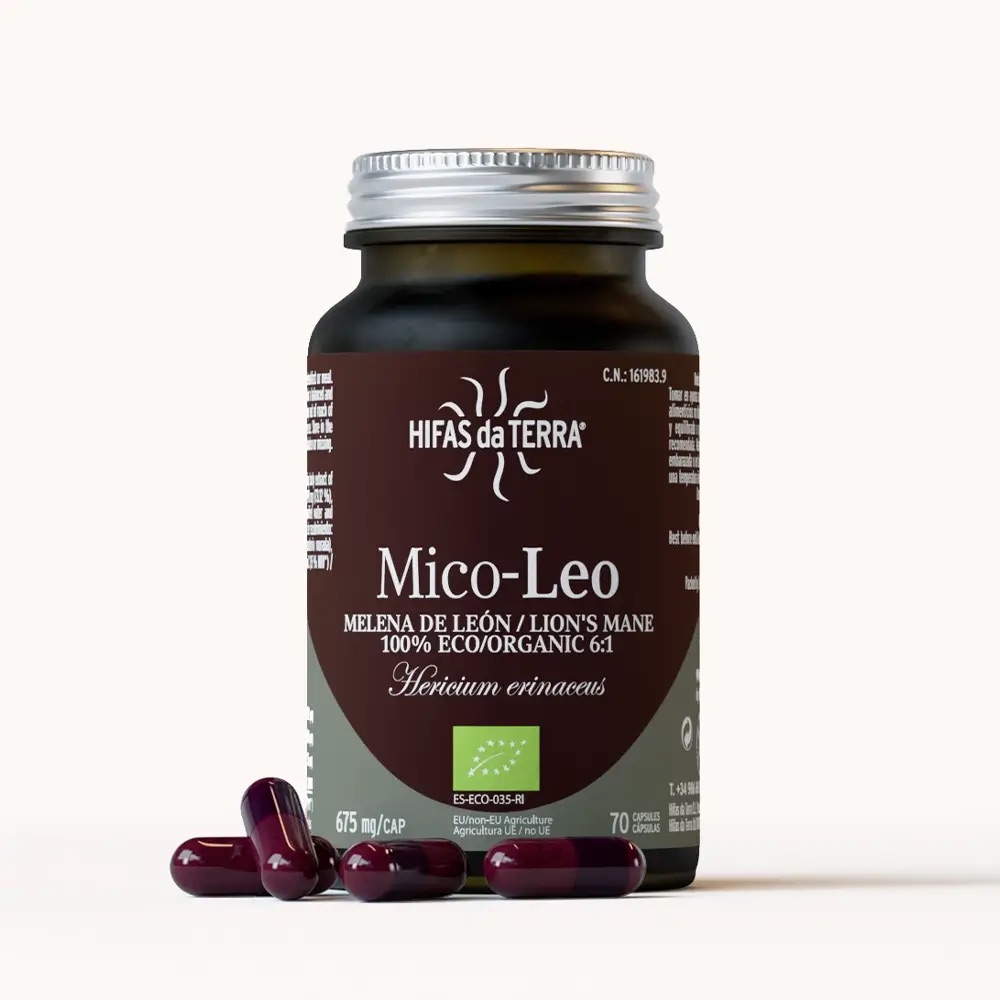
“Look for an organic certified mushroom product with guaranteed levels of hericenones and erinacines,” she advises. “That’s what makes the most significant difference in the results you will experience. I recommend my clients use Hifas da Terra’s Mico-Leo capsules, which use a 6:1 extract from the organic fruiting body of Lion’s Mane, ensuring high potency and purity with no fillers or contaminants”.

When Will You Feel the Benefits?
Medicinal mushrooms work gradually by helping the body rebalance and repair. Most people notice clearer thinking, better mood and more energy within four to six weeks. For deeper results, Sophie recommends taking Lion’s Mane supplements daily for at least two to three months. For people with more chronic or complex issues, a longer course (three to six months) may be needed, especially if combining with other mushrooms or nutritional protocols.
Can You Combine It?
Yes. Lion’s Mane can be used alone or as part of a daily protocol. Combining it with other medicinal mushrooms can offer even greater support:
- Cordyceps – For energy, mood, and performance
- Reishi – For calming the nervous system, supporting immune health, and aiding sleep
Is it Safe to Take Long Term?
Unlike stimulants, Lion’s Mane is safe to take long-term and works best as a daily supplement. It doesn’t overstimulate or cause withdrawal symptoms, making it suitable for ongoing maintenance or prevention. It can also be taken alongside most other supplements and medications (although you should always consult your healthcare provider if you’re on prescription drugs).
Where to Buy Lion’s Mane?To explore more about Lion’s Mane supplements, visit hifasdaterra.co.uk and use the code HH15 for 15% off.

SHARE THIS STORY