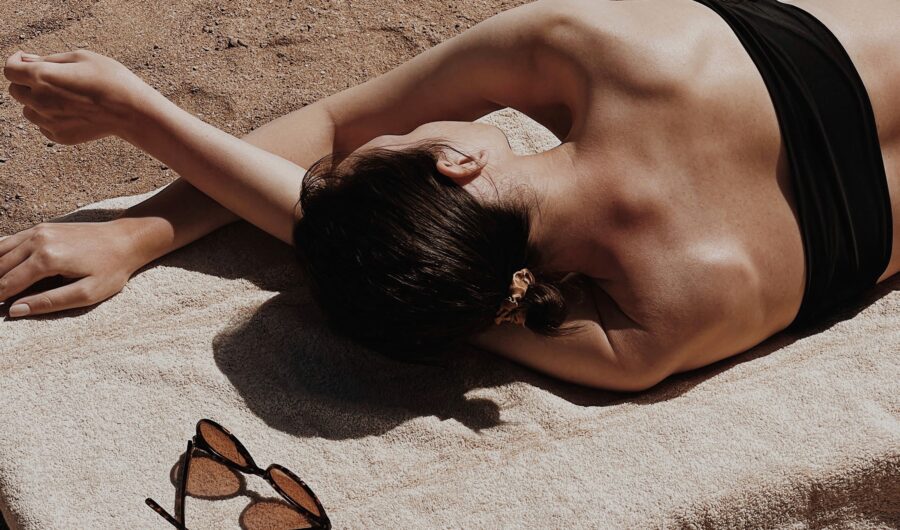
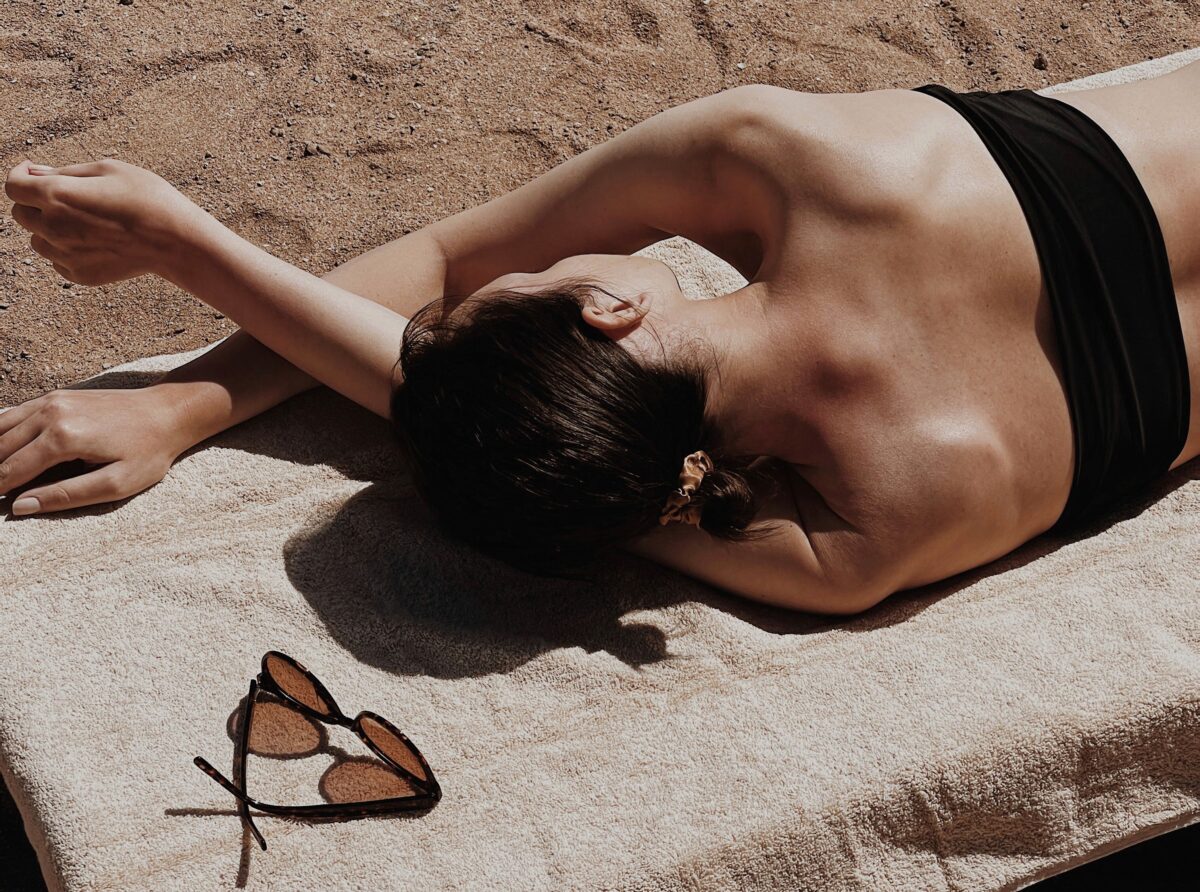
So you’ve accidentally got sunburned. A badge of beach bliss gone wrong, leaving you hot, tender, and questioning your life choices. But before you resign yourself to a weekend of aloe vera baths and questionable fashion choices (because who wants to wear sleeves when it’s boiling?), we’ve enlisted the help of Dr Unnati Desai, National GP Lead at Nuffield Health, to find out what to do (and not to do) if you’re feeling the burn.
From cooling techniques to must-have products, this is how to soothe your scorch and expedite the healing process so you can get back on the road to cool, comfortable skin.
Hydrate
This will help you cool down and prevent dehydration. Sunburn draws fluids from your body, so restore this water loss from both the outside and inside by stepping up your water intake.
Cool Off
Reach for a cool wet compress or take a cool shower to cool your skin. However, don’t put ice directly on it as this can risk freezer burn on top of your sun burn, which would not be a helpful combination!
Grab The Aftersun
Apply aftersun cream or spray. My top tip? Put the after sun in the fridge for that extra cool feel when it goes on burnt skin (bliss).
Avoid The Sun
Stay out of the sun! Try to avoid all sun exposure on the affected areas. Iif you do need to go out, cover up (with UPF clothing) and apply a lot of sun cream. Many people think they don’t have to wear sun cream if they are covered up in clothes. In fact, many fabrics will not protect you from the sun’s rays. UPF is a rating of sun protection for clothing and other fabrics. Lighter fabrics, which are more popular in sunny months typically have a lower UPF rating and are less protective than heavier fabrics. So, it’s important that you apply sun cream even if you cover up.
Loosen Up
Avoid tight fitting clothes which won’t feel comfortable or allow the affected areas to recover.
Take Painkillers
If you’re experiencing pain from your sunburn, take painkillers such as paracetamol or ibuprofen.
Leave It Alone
Avoid peeling or scratching at the affected skin! Don’t pop or touch any blisters.
Keep An Eye On It
In the long term, it’s important to remain aware that getting sun burnt will increase your risk of skin cancer. Self-monitoring your skin for any new changes is important. If you notice any new moles, or changes to existing moles then see your doctor who can undertake a dermoscopic assessment +/- biopsy.
What to look for when checking a mole
A – Asymmetry: Normal moles or freckles are completely symmetrical. If you were to draw a line through a normal spot, you would have two symmetrical halves. In cases of skin cancer, spots don’t look the same on both sides.
B – Border: A mole or spot with blurry and/or jagged edges.
C – Colour: A mole that is more than one hue is suspicious and needs to be evaluated by a doctor. Normal spots are usually one colour. This can include lightening or darkening of the mole. Melanoma cells usually continue to produce melanin, which accounts for the cancers appearing in mixed shades of tan, brown and black.
D – Diameter: If it is larger than a pencil eraser (about 1/4 inch or 6mm), it needs to be examined by a doctor. This includes areas that do not have any other abnormalities (colour, border, asymmetry). But, don’t be fooled by size alone – it can be smaller.
E – Elevation/Evolving: Elevation means the mole is raised above the surface and has an uneven surface. Evolving means changing in size, shape, colour.
F – From firm to palpation: This means if any of your moles change from a softer, spongier consistency to a firm consistency.
G – Growing progressively over 1 month: A mole should remain a consistent size. If your mole continues to grow over more than a month, speak to your doctor.
If you have been out in the sun and are experiencing any of the below, seek medical attention via your GP or calling 111.
- your skin is blistered or swollen
- your temperature is very high, or you feel hot and shivery
- you feel very tired, dizzy and sick
- you have a headache and muscle cramps
- your baby or young child has sunburn


Lancaster Sun Sport Cooling Invisible Mist SPF50 – £32

Coola SPF15 Organic Refreshing Water Mist Sunscreen – £42

La Roche-Posay Anthelios Post UV Exposure After Sun Lotion – £17
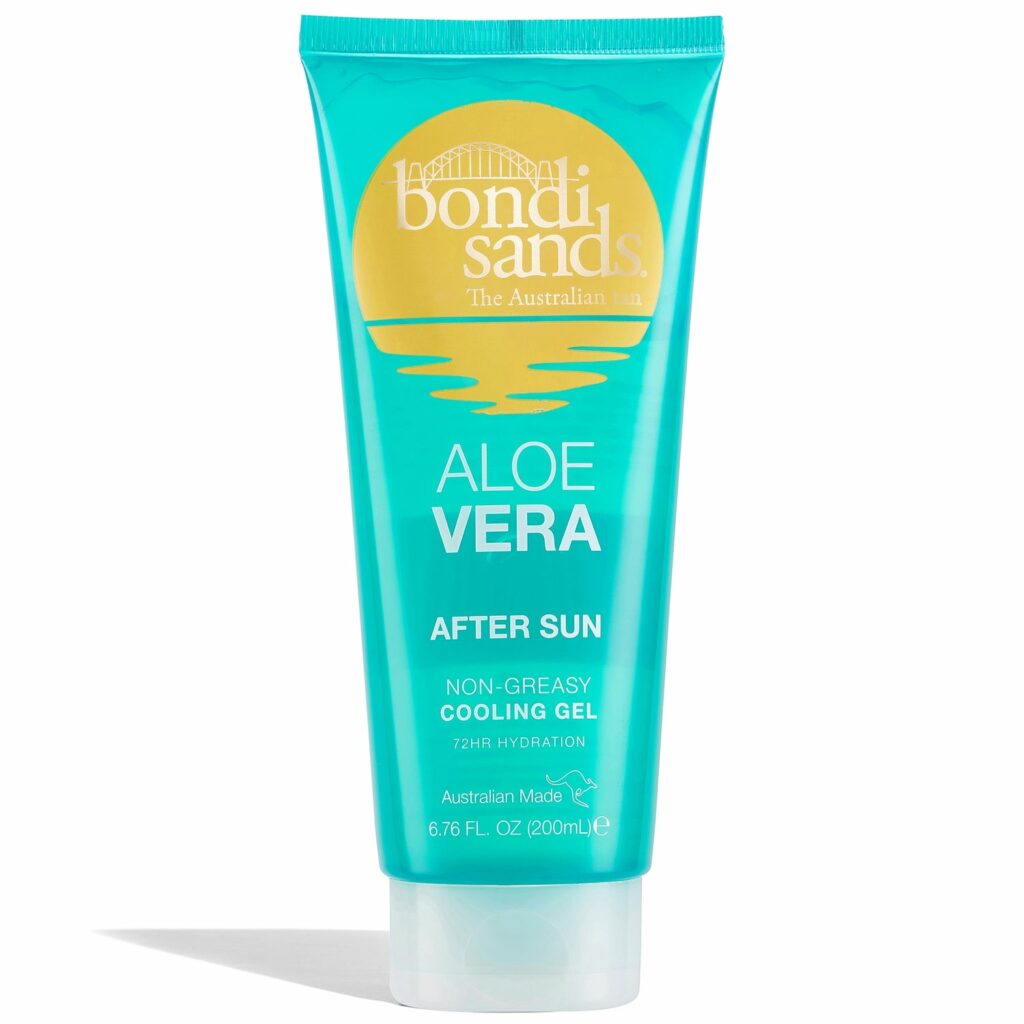
Bondi Sands Aloe Vera Aftersun Gel – £8.99
words by Frankie Rozwadowska
SHARE THIS STORY