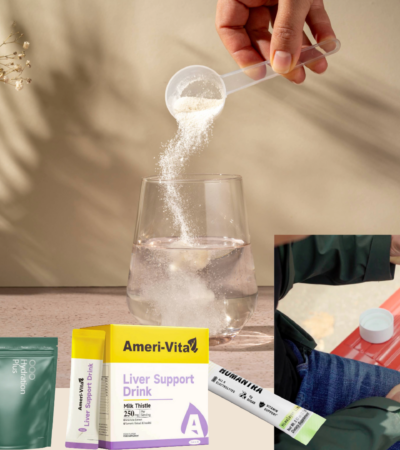
It’s the not-so-secret secret to glowing skin, supple joints and strong hair: collagen has become the cornerstone of beauty and wellness routines worldwide. Once loved only by bone broth devotees and holistic health circles, this structural protein has taken centre stage in modern supplementation. But just like all supplements, not all collagen is created equal, and knowing how they work, which types matter, and what your body needs to get the most out of it is essential.
We sat down with experts Jo Woodhurst (Director of Nutrition & Education at Ancient + Brave), Dr Jenna Macciochi (Director of Science & Innovation), and Eleanor Hoath (Registered Nutritional Therapist), and looked at the latest research and product launches from leading collagen brands to unravel the science of collagen and discover which type works best for maintaining youthful skin.
What is Collagen and Why Does It Matter for Skin Health?
Collagen is the most abundant structural protein in the human body, making up around 30% of total protein. It’s what gives skin its firmness, bounce, and structure. It also supports joints, bones, connective tissue, and even hair follicles.
“Collagen forms a triple-helix matrix that supports skin elasticity, dermal strength, joint cartilage and even hair follicle structure,” explains Dr Macciochi. “As we age, collagen production slows, and environmental and lifestyle factors, like UV damage, inflammation and smoking accelerate its breakdown.”
Eleanor adds: “After the age of 25, the body’s natural collagen production begins to decline. This drop plays a role in the development of fine lines, wrinkles, and that gradual loss of skin elasticity many start to notice in their late twenties and beyond.”
Types of Collagen: What Should You Look For?
There are at least 28 known types of collagen in the body, but Types I, II, and III are the most relevant when we’re focusing on skin and connective tissue:
- Type I – Found in skin, bones and ligaments; supports firmness and structure.
- Type II – Present in cartilage; supports joint health.
- Type III – Found in skin and blood vessels; adds elasticity and plumpness.
When choosing a supplement, look for hydrolysed collagen peptides. This means the protein has been broken down enzymatically into smaller chains (called di- and tri-peptides) for better absorption and bioavailability.
Collagen Brands Making Waves
With collagen’s popularity booming, several pioneering brands are setting the standard with high-quality, research-backed products.
- Ancient + Brave use both True Collagen (EU-sourced bovine) and Wild Collagen (marine-derived from wild-caught North Atlantic fish). Both contain low-molecular-weight peptides and have been shown in independent trials to be equally effective for improving skin, joint and connective tissue health.
- Vital Proteins, one of the most recognised names in collagen, recently revealed that while 84% of Brits know what collagen is, only 1 in 10 actually take it. Their research also highlighted widespread myths, from plumper lips to weight loss and breast enhancement, and showed that over half of people wrongly believe collagen isn’t needed until age 55, when in reality production declines from the mid-20s. Their messaging is clear: don’t wait until the signs of aging show – start supporting your collagen earlier.
- Bare Biology has launched Fundamental, a new Swiss-made bovine collagen combining both Type I and Type III. This formula directly supports skin’s structure and elasticity, making it a strong choice for those seeking visible improvements in firmness and plumpness.
- Ape Nutrition take a holistic approach, rooted in a nose-to-tail ethos. Their collagen is hot and cold soluble, odourless, and flavourless, making it versatile for everything from smoothies to soups, while also championing the idea of using the whole animal for optimal nourishment.
- Dr Seaweed have created a unique double-duty formula blending 5000mg of premium MSC-certified marine collagen with their iodine-rich PureSea® Protect seaweed. Thanks to the EFSA-approved health claims attached to iodine, it’s the only UK collagen brand that can legally claim proven benefits for skin health, hair growth and strong nails – combining collagen with natural micronutrients for enhanced efficacy.
- Correxiko place a strong emphasis on purity and potency. With a range consisting of both marine and bovine collagen, free from fillers, flavourings and sweeteners – appealing to those who want clean, clinical-grade formulations. Correxiko also highlights higher-dose collagen servings, designed for those seeking faster or more noticeable results.
Collagen in the Modern Diet: Why It’s Needed More Than Ever
Modern diets, focused on ‘lean’ cuts of meat, often miss out on the collagen-rich parts of animals (skin, cartilage, bones). This has led to a drop in collagen intake compared to ancestral diets.
“Simmering bone broth for 12 hours is wonderful, but not practical for everyone,” says Jo Woodhurst. “That’s where supplementation steps in. Collagen peptides can be stirred into your morning coffee or smoothie, creating a simple and sustainable daily habit. It’s ancestral nutrition, reimagined for the modern world.”
The Role of Vitamin C, Diet & Lifestyle in Collagen Production
Collagen doesn’t work in isolation; it needs supporting nutrients and lifestyle habits to truly thrive. “Your body can’t make collagen effectively without vitamin C,” explains Eleanor. “It’s a vital cofactor in collagen synthesis. That’s why foods like citrus fruits, red peppers and leafy greens are so important.”
Collagen is only found in animal tissue, so while plant-based blends may support collagen formation, they don’t contain collagen peptides themselves. “Let’s be clear,” Eleanor notes, “there is no vegan source of collagen. What’s marketed as vegan collagen is actually a mix of co-factors like vitamin C, silica, and antioxidants. Useful? Yes. But not collagen.”
The Sugar-Collagen Connection
One of the lesser-discussed disruptors of collagen is sugar. Specifically, refined sugar and processed carbohydrates. “High sugar intake accelerates a process called glycation, where sugar molecules bind to collagen fibres, making them stiff, brittle, and more prone to breakage,” explains Eleanor. “This weakens skin structure and leads to premature ageing.”
When Will You See Results?
While results vary depending on lifestyle, genetics and health status, consistent use of collagen peptides tends to produce noticeable changes over time.
- 6 weeks – often the initial gut health improvements
- 8 weeks – a noticeable enhancement of skin hydration and elasticity
- 3–6 months – joint and connective tissue feels replenished
- 12+ months – bone density and structural improvements
Ancient + Brave’s BECOME Study, an independent 12-week clinical trial, found meaningful improvements in skin, hair, nails, energy, sleep and recovery in participants who took their True Collagen daily. Similarly, clinical studies across the category confirm that hydrolysed collagen peptides improve skin moisture, reduce wrinkles and enhance elasticity when taken consistently.
Which Collagen Is Right for You?
Whether you choose marine or bovine collagen often comes down to personal preference. Marine collagen is prized for its smaller peptide size (slightly faster absorption) and suitability for pescatarians, while bovine collagen (often Type I and III) is a great all-rounder for skin and connective tissue.
- For science-backed skin and hair claims, Dr Seaweed stands out.
- For everyday, versatile use with a strong potency, Ape Nutrition offers practicality and purity.
- For a focus on firmness and elasticity, Bare Biology’s Fundamental is ideal.
- For mainstream accessibility and education, Vital Proteins lead the way.
- And for sustainably sourced, clinically effective peptides, Ancient + Brave remain a trusted choice.
The Final Word: Youthful Skin Starts Within
Collagen isn’t a miracle, but it is a powerful ally in your long-term skin and wellness strategy. Combined with a nutrient-rich diet, balanced lifestyle, and mindful skincare, collagen supplementation can help restore what time and modern life gradually take away.
“When something ancient works so well in a modern context, we know we’re onto something,” says Jo Woodhurst. For many, that modern ritual begins with a scoop of collagen in their morning cup – and ends with glowing skin that radiates from within.
SHARE THIS STORY