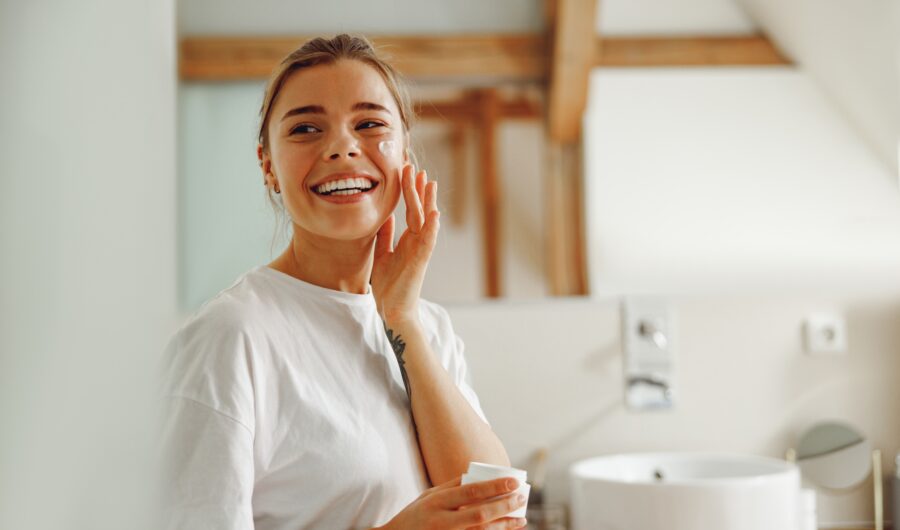
In this edition of Hip & Healthy’s Beauty School series, we’re shining a spotlight on peptides – the cellular messengers that support firmness, smooth fine lines, and boost your skin’s resilience. Whether you’re looking to proactively maintain your glow or visibly address signs of ageing, peptides are the powerful, multitasking ingredients that deserve a front-row seat in your routine. Trust us, your skin will thank you later.
But what exactly are they and how should we be using them in our skincare routine? We tapped Jolanta Rusakoviene, Aesthetic Nurse and Founder of SkinVital Clinic, to find out everything you need to know. So, get ready to swot up on these must-have beauty ingredients and bag yourself an A+ when it comes to all things peptides.
What exactly are peptides and what do they do?
Peptides are short chains of amino acids, which are the building blocks of proteins like collagen, elastin, and keratin, all of which keep your skin firm, bouncy, and smooth. Think of them as little messengers: when applied topically, they can signal your skin to repair damage, produce more collagen, or strengthen the skin barrier. Over time this can mean firmer, plumper skin with better hydration and improved resilience against everyday stressors.
Can all skin types benefit from them?
Yes, peptides are one of the most universal skincare ingredients. Unlike actives such as retinol or acids that can cause irritation, peptides are usually very gentle and well-tolerated. That makes them a great option for sensitive skin or anyone who struggles with stronger ingredients. They are especially helpful for people starting to notice early signs of ageing, such as fine lines or loss of firmness, but they also work well for maintaining skin health at any age.
What’s the best way to incorporate them into a skincare routine?
Peptides work best in leave-on products such as serums and moisturisers, rather than cleansers that get rinsed away. The ideal way to use them is after cleansing, layered under your moisturiser. Because they’re gentle, you don’t need to worry too much about what you pair them with, as they combine well with hydrators like hyaluronic acid and brighteners like niacinamide. They can also help support the skin when you’re using stronger actives like retinoids, as they reinforce the barrier. Use them morning and evening for steady, long-term results.
What are the pros and cons of using them?
The biggest advantage of peptides is that they are effective without being harsh. They help with hydration, firmness, and barrier repair, all without the redness or peeling that can sometimes come with other actives. They are also versatile, so you will often find them included in formulas that target several concerns at once. The only real downside is that results are gradual, so they require consistency. They also work best alongside other active ingredients, rather than as the only step in your routine.
Are there any misconceptions about peptides you want to clear up?
A common myth is that peptides are the same as Botox in a bottle, but they do not work in that way. Botox freezes muscle movement, while peptides rebuild and strengthen skin over time. Another misconception is that a longer peptide list on the label automatically means a better product. What really matters is whether the formula is well put together and stable enough for the peptides to actually penetrate the skin.
Any other interesting facts people might not know about peptides?
Not all peptides are the same. Some stimulate collagen, some calm inflammation, and others act as antioxidants. Copper peptides are particularly popular, as they have been shown to support regeneration and repair. This versatility is what makes peptides stand out, as they can be used to target ageing, dryness, barrier weakness, and redness all in one go.
SHOP THE EDIT:
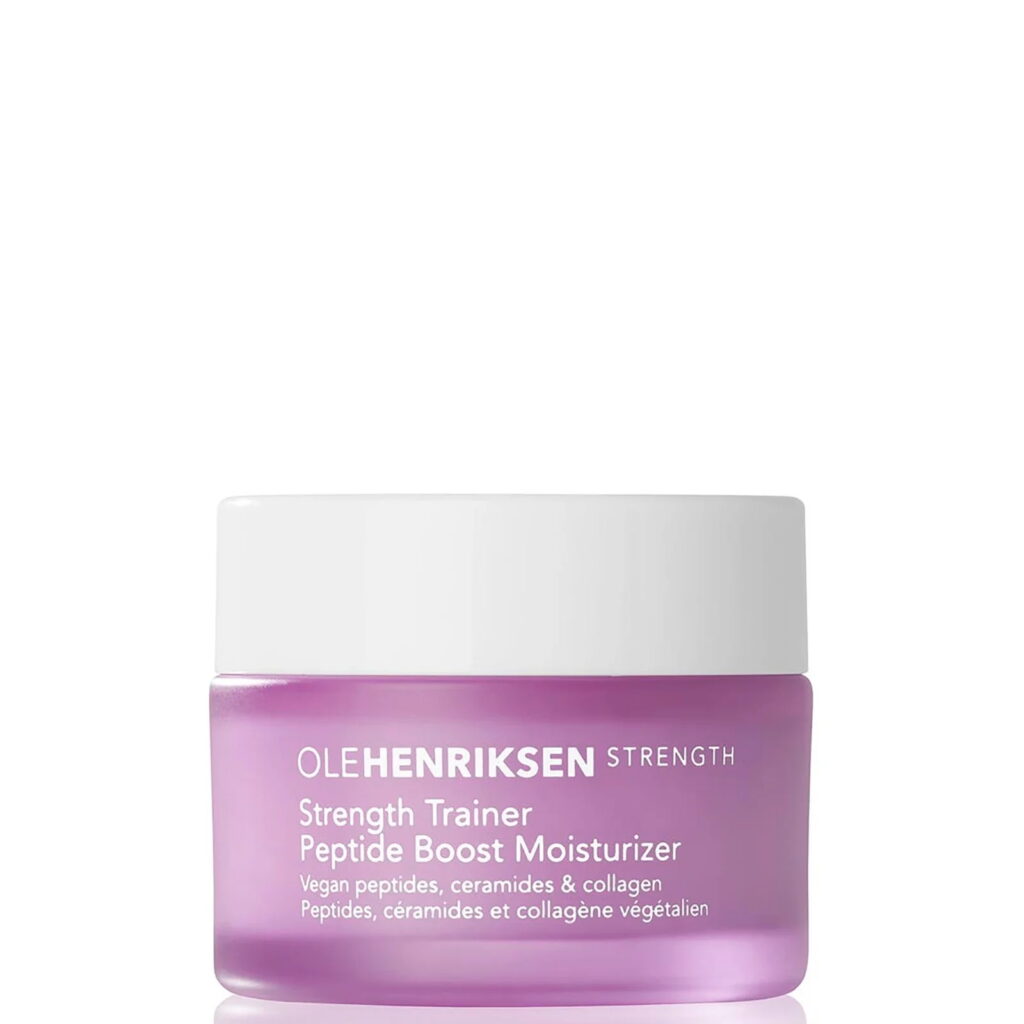
Ole Henriksen ‘Strength Trainer Peptide Boost Moisturiser’ – £42

The Ordinary ‘Multi-Peptide + Copper Peptides 1% Serum’ – £28.90
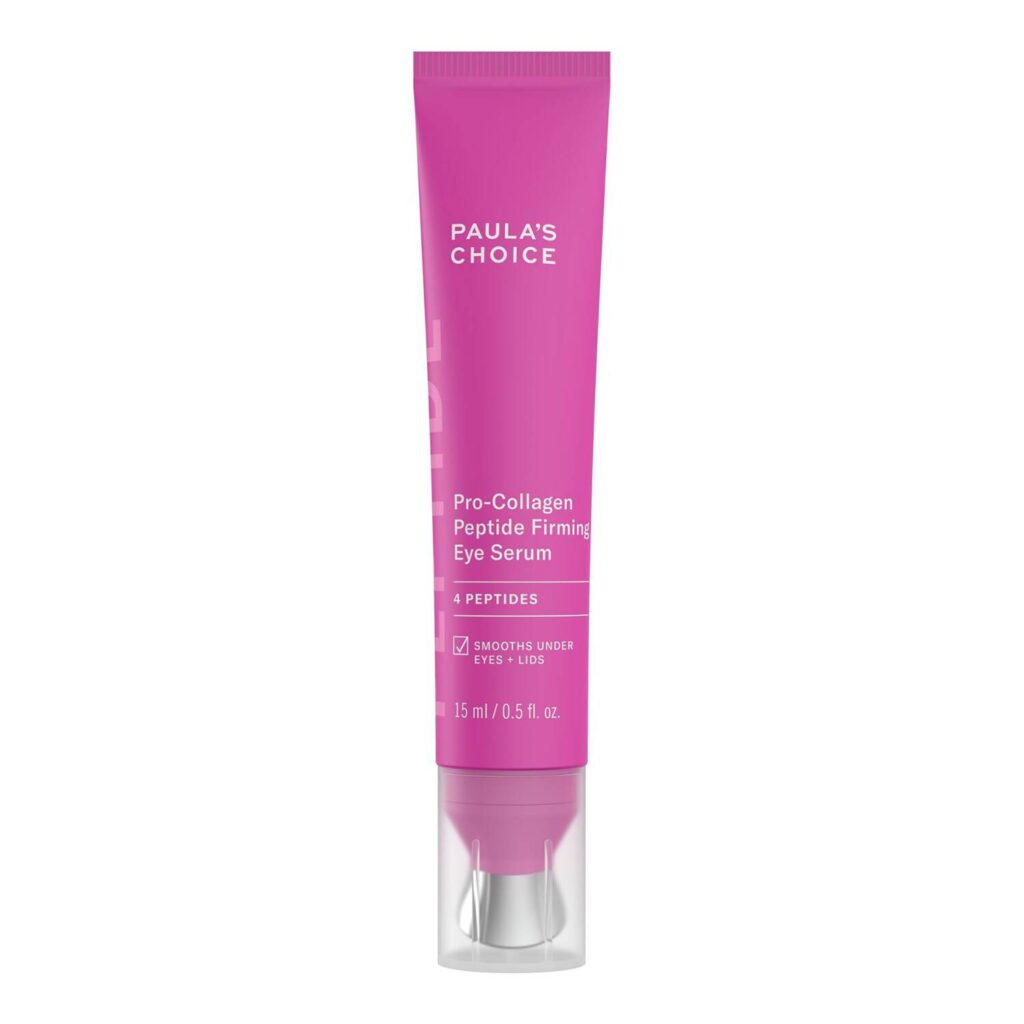
Paula’s Choice ‘Pro-Collagen Peptide Firming Eye Serum’ – £41
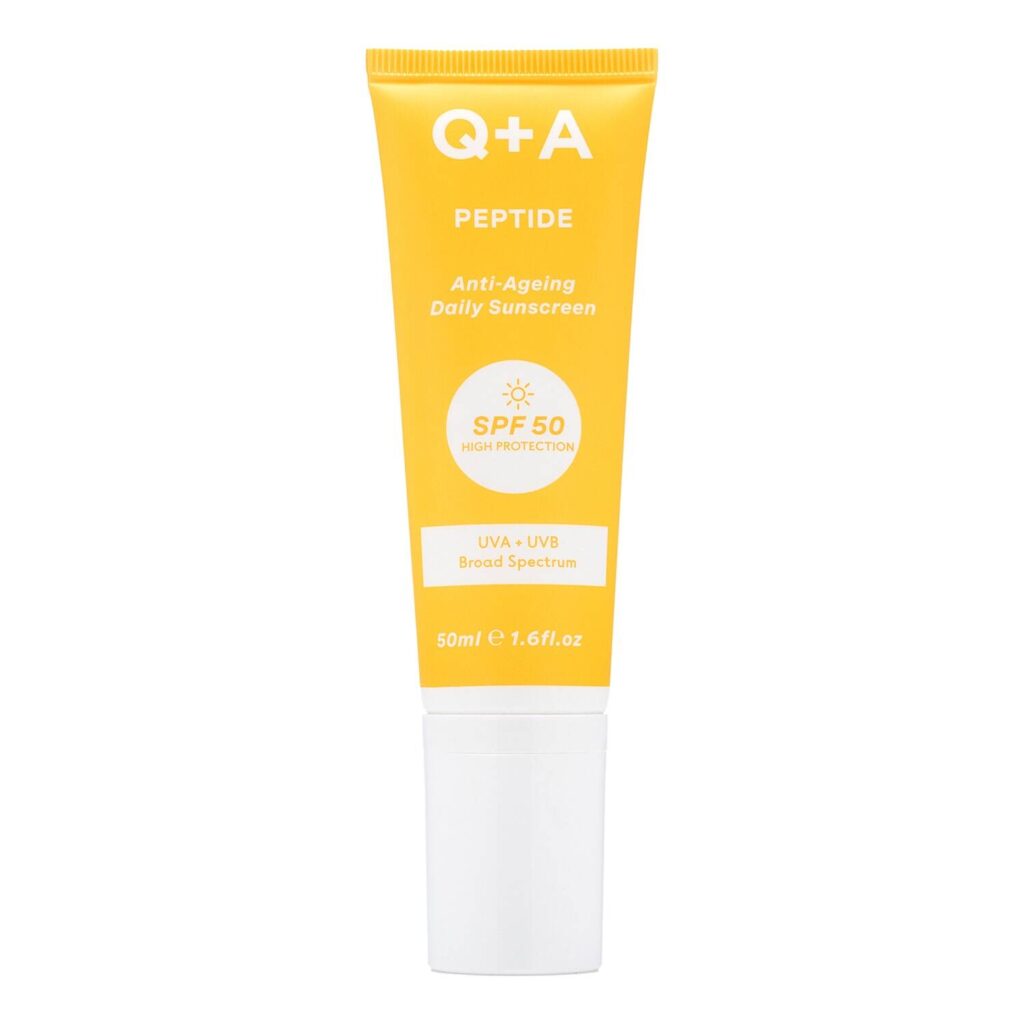
Q+A ‘Peptide SPF50 Anti-Ageing Facial Sunscreen’ – £15
Words by Frankie Jabarkhyl
SHARE THIS STORY