When it comes to hair care, most of us focus on the strands we can see; shampoos for shine, masks for softness, treatments for split ends. But true hair wellness begins at the roots, and increasingly the beauty world is waking up to the importance of the scalp. Often overlooked, the scalp is the foundation of growth, thickness, and long-term vitality, making its health the new frontier in haircare.
To explore this shift, we sat down with Izabella Bordignon, a London-based trichologist and founder of the Izabella Bordignon Salon. With a background in aesthetics and cosmetology, and advanced training in trichology, Izabella blends science and artistry to help women achieve healthier, stronger, more radiant hair. Starting where it matters most: the scalp.
What inspired you to go into trichology?
My background is in aesthetics and cosmetology. After many years caring for the hair and beauty of thousands of women, I realised that external treatments alone were not enough to achieve truly healthy hair. Listening to the concerns of women of different ages and backgrounds, it became clear to me that the female body is highly complex, and there is no such thing as a “one size fits all” solution.
That is when trichology entered my life, the advanced study of the hair, scalp, and their associated disorders. I went on to complete my Postgraduate Diploma in Trichology so that I could offer a holistic approach, combining both cosmetic artistry and clinical science, to every aspect of hair health.
Can you share the ethos behind the Izabella Bordignon Salon?
For me, the ethos of the salon has always been clear: beauty only has meaning when it is built upon healthy hair. I do not believe in shortcuts or trends that compromise integrity. I believe in honouring the natural identity of every woman. That is why we speak so often about “hair with identity”: it means listening, observing, and enhancing, rather than masking, who you are.
Trichology plays a central role in this philosophy. We begin by assessing the scalp and hair health, then define the most appropriate pathway together. When hair is strong and balanced, everything else, like colour, structure and luminosity follows naturally. But more than the aesthetic outcome, my aim is for each client to feel truly seen, cared for, and to leave with a lighter spirit and a confidence that radiates from within. That, to me, is the soul of what we do.
What is the “skinification” of hair, and why is scalp health so important?
“Skinification” of hair means giving the scalp the same degree of attention and care as we do to facial skin. Just as you would never apply make-up without first preparing your skin, you cannot expect lasting beauty in the hair without first creating balance at the scalp.
The scalp is, quite literally, the soil from which the hair grows. If that foundation is imbalanced, the consequences are visible lack of shine, brittleness, or even shedding. By applying skincare principles to haircare, trichology allows us to analyse, correct, and nourish the scalp, establishing the ideal environment for hair to flourish.
For me, this is not simply a trend, but a necessary change of mindset: recognising that sustainable beauty begins at the roots. When we respect that truth, the results are not only more beautiful, but also more authentic and enduring.
When should someone see a trichologist?
In my view, anyone who values their hair health should see a trichologist. Prevention is always better than correction, and early intervention allows us to mitigate or even avoid future problems. From scalp imbalances to hair loss concerns, a trichologist offers evidence-based guidance and tailored care.

What are the biggest myths around washing hair?
When it comes to cleansing, there are several misconceptions that continue to circulate:
“Shampoo should be chosen only by hair type, not scalp type.”
This is one of the most common mistakes. Shampoo is primarily a treatment for the scalp and it should be selected according to the scalp’s needs (oiliness, sensitivity, dandruff), not only for the cosmetic appearance of the fibre.
“The less you wash, the healthier the hair.”
Popularised by “low-poo” or “no-poo” trends, this belief overlooks the fact that the scalp is skin. Like the skin on your face or body, it requires regular cleansing to maintain a balanced microbiome and a healthy environment for growth.
“Foam means it’s cleaning better.”
Lather is simply a by-product of surfactants; it is not a measure of cleansing power. In fact, many gentle low-foaming shampoos clean more effectively and with less stress to both scalp and fibre.
“Cold water closes the cuticle.”
Water temperature may affect comfort and circulation, but it does not physically “open” or “close” the cuticle. True cuticle sealing comes from conditioning agents and chemical processes, not from rinsing with cold water.
In short: healthy washing is not about myths, but about science, respecting the scalp as skin, choosing the right products, and maintaining balance.
What 2–3 products do you think are essential for healthy hair?
A scientifically selected shampoo: Your shampoo should meet the needs of both your scalp and your hair fibre. This is one of the most important choices you can make for long-term hair health.
A scalp serum: To nurture the scalp microbiota and stimulate follicular activity, creating a healthy environment for growth.
A heat protector: To safeguard the hair shaft against thermal damage from styling tools, which is one of the most common causes of breakage.
Should scalp care be seen as the foundation for growth and thickness, or can it actually make hair grow faster/thicker?
It is important to establish realistic expectations. The genetic blueprint of each person largely determines the maximum growth rate of hair. On average about 1 cm per month and the diameter of each strand. No cosmetic or trichological treatment can permanently override those genetic limits.
That said, scalp care plays a crucial role in allowing the follicle to perform at its full potential. When the scalp is inflamed, imbalanced in its microbiota, overloaded with sebum, or poorly nourished, follicles can enter premature shedding phases or produce weaker, finer hairs. By restoring balance, reducing inflammation, and optimising follicular function, we can bring the hair back to its healthiest possible expression.
So, while scalp care cannot make hair grow “faster” or “thicker” than your biology allows, it is the foundation for protecting what nature has given you. It ensures follicles remain active for as long as possible, reduces avoidable thinning, and maintains the conditions for hair to grow strong, resilient, and beautiful. When it comes to hair, the results we seek come not from miracles but from science, consistency, and patience.
How do hormones, stress, or diet impact hair health?
Hormones, stress, and nutrition are three of the most influential systemic factors in hair health. Hormonal fluctuations, particularly those involving androgens, oestrogen, and thyroid hormones directly affect follicle cycling. Stress can prematurely push follicles into the shedding phase (telogen effluvium), while nutritional deficiencies in protein, iron, vitamin D, or other micronutrients compromise hair strength and resilience.
Because hair is considered a secondary tissue by the body, it is one of the first structures to reflect internal imbalance.
What changes would you recommend for women in perimenopause/menopause?
Perimenopause and menopause bring about significant hormonal changes, particularly the decline in oestrogen, which can manifest as thinning hair, dryness, and increased shedding. My recommendations include:
A personalised scalp care regimen to support follicular health.
Nutritional optimisation, with particular focus on protein, iron, vitamin D, and omega-3 fatty acids.
Gentle but effective cosmetic choices, avoiding harsh chemical processes and prioritising protective treatments.
Consultation with a trichologist and, if appropriate, collaboration with medical professionals for integrated hormonal management.
What’s one simple change anyone can make today for better hair wellness?
The simplest and most effective step is this: wash your hair whenever it needs it.
Cleansing is not optional. The scalp is skin, and just like facial skin, it requires regular hygiene to remain balanced. A clean scalp supports a healthy microbiome, reduces inflammation, and ensures the follicles can function at their best.
It may sound basic, but respecting this routine is the foundation of every other step in hair care. Beautiful, resilient hair always begins with a healthy scalp.
Our Editor’s Picks in Hair Care this Month:
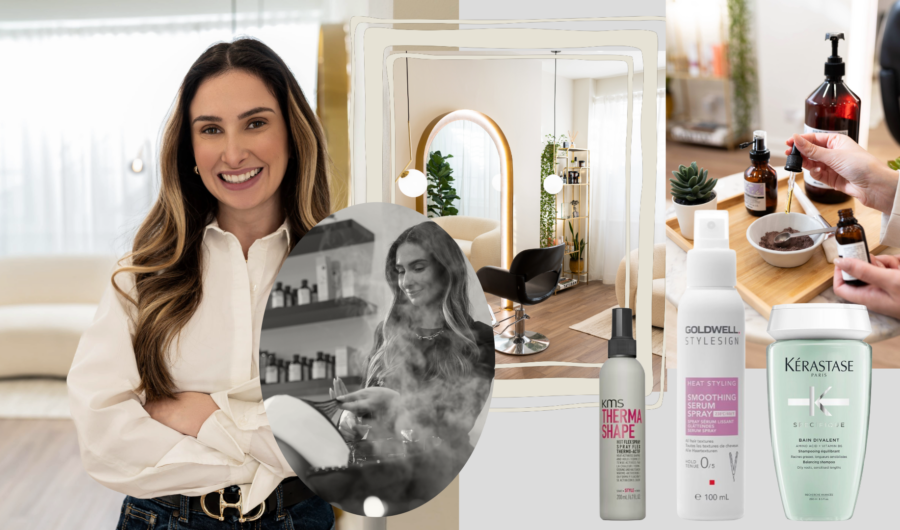
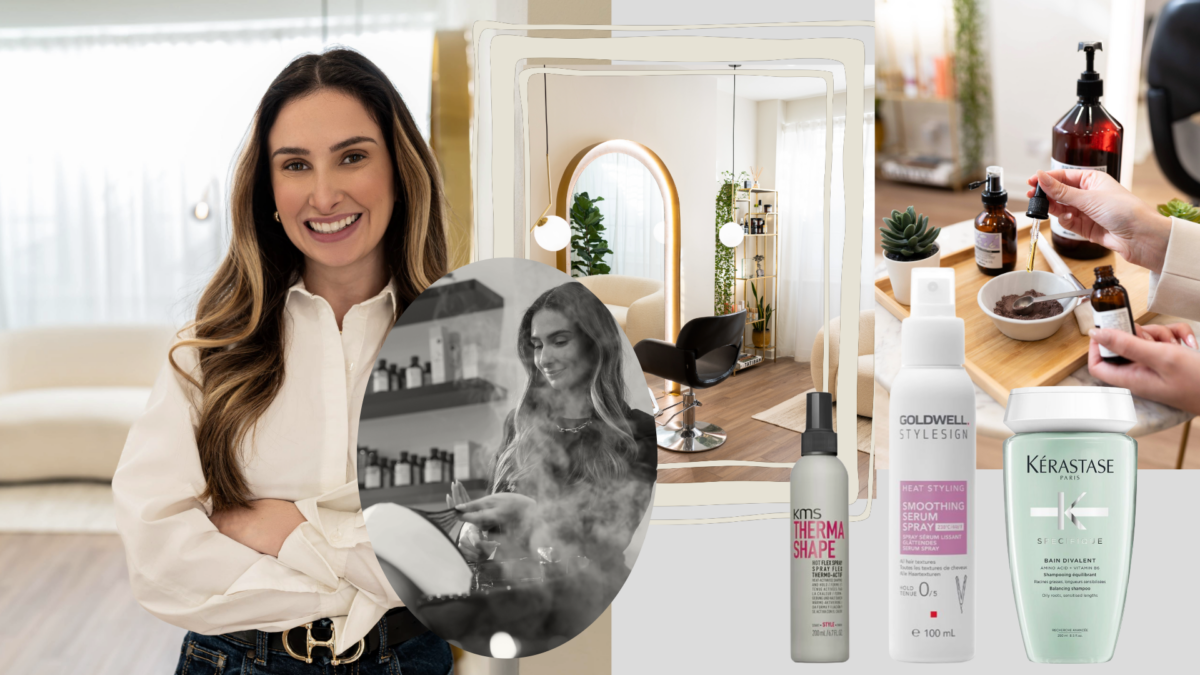
Kérastase Spécifique Bain Divalent: Balancing shampoo that purifies oily roots while nourishing dry lengths, keeping scalp and fibre in harmony.
The Nue Co. Supa Thick Scalp Serum: A topical serum with prebiotics, postbiotics, and Redensyl® complex to support the scalp microbiome and optimise follicle health.
Goldwell StyleSign Smoothing Serum Spray: Lightweight thermal spray that protects up to 230 °C/446 °F while controlling frizz and humidity.
KMS ThermaShape 2-in-1 Spray: Heat protection and styling spray that reduces breakage and helps styles last up to 72 hours.
SHARE THIS STORY